Bullying can happen to any child or young person, whether it’s happening in person, online or both. It can be upsetting and worrying for the whole family, and it isn’t always easy to know how best to support your child.
Understanding what bullying can look like and knowing how to respond can help you feel more confident supporting your child through it. In this article, we’ll look at some of the signs that a young person may be being bullied, how to start conversations about what’s happening and where to seek additional support if it’s needed.
We spoke to Sathurja from Family Action’s Hackney Children & Young People Mental Health Hub, which supports young people with their mental health and wellbeing, to share her guidance for parents and carers.
This article covers:
- What bullying can look like
- Why children and young people don’t always tell adults they’re being bullied
- Signs your child or young person may be being bullied
- How to talk to your child about bullying
- First steps to helping a child that’s being bullied
- What to do about online bullying
- Talking to schools and trusted adults
- Helping your child rebuild confidence after bullying
- What to do if you think your child is bullying others
- When your child may need extra support
What bullying can look like
Bullying can look like a lot of different things. Firstly, it isn’t always carried out by someone a young person openly dislikes. “I think that’s a big misconception among young people,” Sathurja said.
Bullying can come from:
- peers
- siblings
- parents
- teachers
- someone considered a friend, who repeatedly pushes boundaries or targets an insecurity.
Of the last example, Sathurja explained: “I see that a lot within the young people I work with.”
Bullying between siblings can sometimes be harder to recognise. Brothers and sisters often tease, argue and test boundaries, but there’s a difference between occasional disagreements and behaviour that repeatedly leaves a young person feeling upset or uncomfortable. Sathurja described situations where information shared in confidence has been used later during arguments. These can be particularly hurtful because they involve a breach of trust. When siblings live together or share a room, it can also feel much harder to get space from what’s happening.
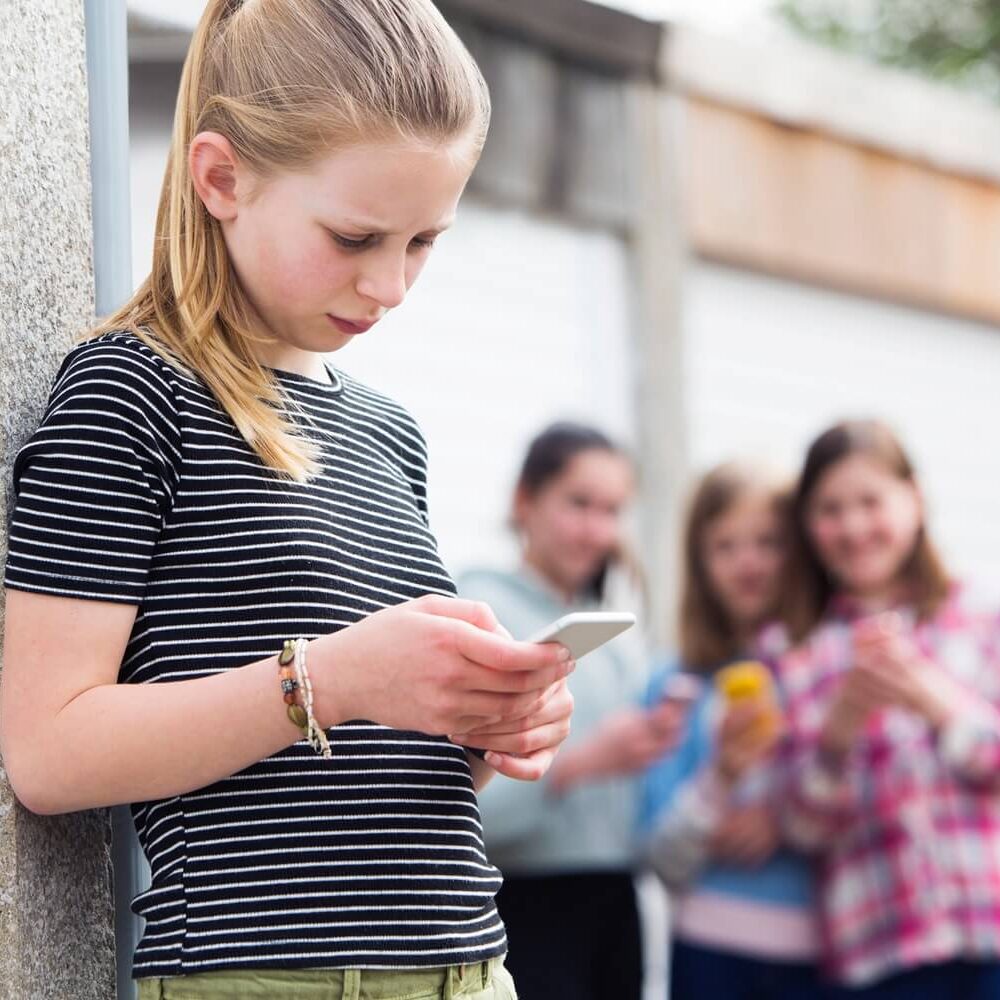
Sathurja also described online bullying through social media messages, group chats, and sharing photos or videos. Because young people may see the people involved at school as well as online, it can feel constant and difficult to escape.
Why children and young people don’t always tell adults they’re being bullied
Some young people don’t feel confident speaking to an adult about bullying, and this can be for several reasons. Some worry about being called a “snitch”, or only feel able to talk to an adult they have a close, trusting relationship with.
Self-blame can be a particularly strong barrier to speaking up.
Some young people don't feel confident because they feel like they're at fault and it's happening because of them, so they don't want to really speak about it.
In this situation, reassurance is important. Remind your young person that they deserve to feel happy at school and to have friends they can trust, but at the same time bear in mind that it may take time before they feel ready to explain what has happened.
Neurodivergent young people can find it difficult to process that they’re being bullied. Neurodivergent traits vary widely, but examples of things you might see include:
- experiencing particularly intense emotions
- becoming very distressed, shutting down or finding it difficult to regulate their reactions to what is happening
- blaming themselves
- finding it difficult to speak up about what is happening at all.
Regular check-ins can help you understand what they’re going through.
Signs your child or young person may be being bullied
Changes in a young person’s usual behaviour can offer clues that something is wrong. The following are all possible signs to watch out for, but remember not all young people will act the same way. You know your child best, so think about what’s out of character for them.
They may:
- become very quiet
- stop seeing certain friends
- stop talking about friends they previously mentioned often
- not want to go to school, or pretend to be ill to avoid going
- avoid leaving the house
- lose their appetite
- change the way they dress or other physical aspects of themselves
- behave differently in school, or their school performance may suffer.
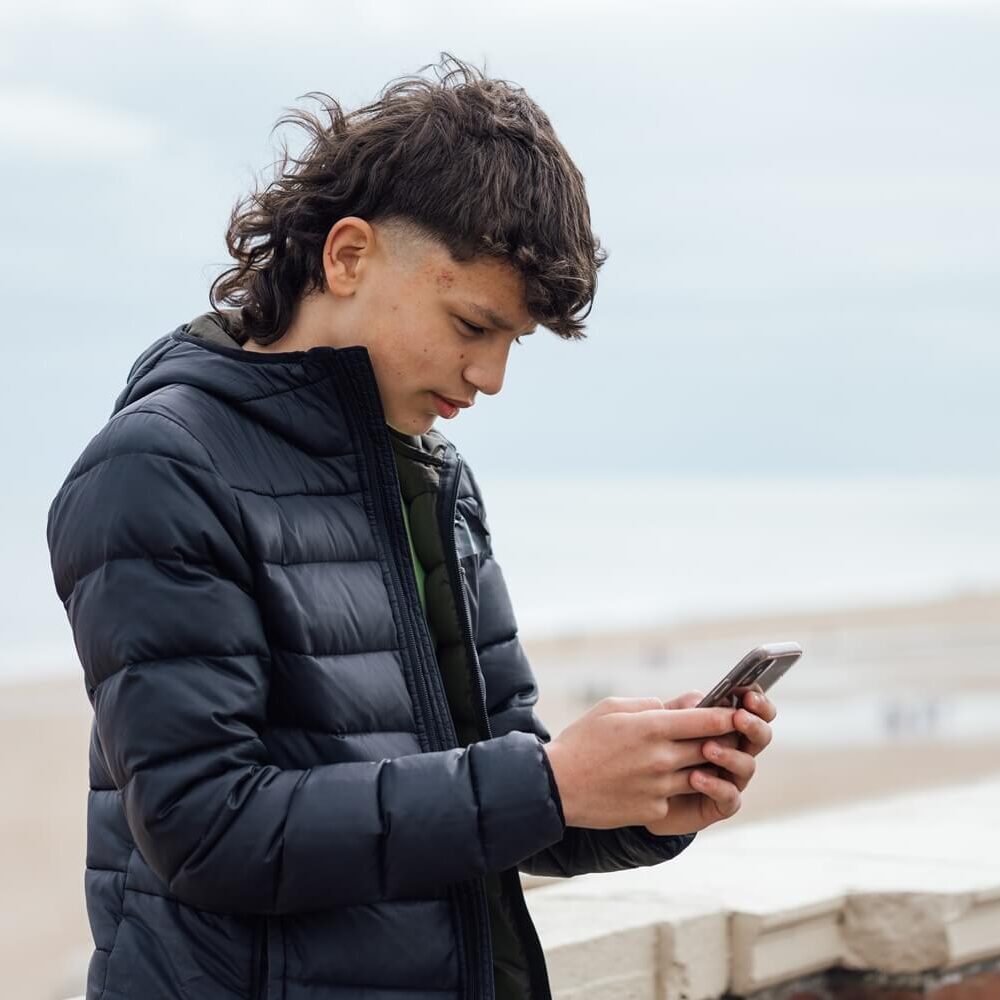
As well as the above, some extra signs of online bullying may include:
- spending more time replying to messages
- seeming nervous or worried when they get a notification
- talking about incidents in group chats.
Listening out for these details can help when it comes to exploring what has happened.
How to talk to your child about bullying
Choose a calm, informal moment such as on a walk, or when you’re in the car together. These situations allow your child to focus on their surroundings instead of just the conversation, which can help them feel safer and more able to talk. Being next to each other, rather than opposite, can also feel more comfortable for your child, as being face to face can feel too intense.
Begin with something you’ve noticed rather than an accusation. Depending on the situation, you might say something like:
- “I’ve noticed you haven’t mentioned your friend recently. How are things between you?”
- “You seem worried when your phone lights up. Is anything happening that you want to talk about?”
Gentle curiosity is more likely to open a conversation than demanding they put their phone away or explain immediately.
If they do talk, try not to interrupt, rush into solutions or decide what should happen before you know what they want. Sathurja recommends allowing a little bit of silence in conversations, rather than speaking straight after your young person.
“That silence then gives the young person more opportunity to speak without judgement,” Sathurja said. “Whereas when the adult is quick to give a solution or quick to make them see a different perspective, that young person may not share as much. So just sit in the silence and wait for them to feel ready to speak about more.”
Sathurja also highlighted that sitting quietly together can create an opportunity for a young person to start a conversation. Allowing them to lead the conversation can then make it easier for you to understand what’s actually going on.
To summarise, if your young person comes to you to talk about being bullied:
- Listen without judgement or offering solutions.
- Ask what they would like to happen next.
- Agree who may need to be told and what support they would like from you.
When the adult is quick to give a solution or quick to make them see a different perspective, that young person may not share as much.
First steps to helping a child that’s being bullied
There are different steps you might take, depending on where the bullying is happening, who’s doing it, and the age of your child.
If the bullying involves an adult who works at your child’s school, report your concerns through the school’s safeguarding or complaints procedure. For concerns involving an adult outside school, seek advice from an appropriate support service and contact the police or children’s social care if a child has been harmed or is at risk.
Younger children
Younger children may rely more on adults to help resolve a situation. Because younger children often look to trusted adults for guidance, they may be more comfortable asking for help than older teenagers. This can give you, teachers and other trusted adults an opportunity to step in early and support them in finding a way forward.
You could contact the school and, where it’s safe and appropriate, work together to help structure a conversation that’s supervised by a trusted adult. Sathurja said that many of the young people she works with find these supported conversations helpful. “It’s a safer environment where they feel more confident and comfortable, because they know it’s not just going to turn into an argument. [They know] they’re going to take something away from that conversation.”
However, bringing children together may not be suitable where there is ongoing intimidation or a significant power imbalance, and the child who has been bullied should not be pressured to take part.
Teenagers
Teenagers, by contrast, often want to handle bullying themselves and may only involve adults when they feel it’s necessary. However, guidance is still important because situations managed through group chats or confrontation can escalate into fights.
It can help to be clear that stepping back is an option when emotions are running high. Sathurja said that, ideally, “young people should feel really confident in stepping back.” The reality is that the messages young people hear are often the exact opposite and more about confronting situations than walking away.
I think it's really important that they do [step back], especially when they know the conversation is not going to go anywhere because they're just going to hold on to a lot of emotions. That's then going to affect that relationship even more.
What to do about online bullying
Online bullying can feel particularly overwhelming because it doesn’t end when the school day finishes. Young people may see the same people at school and then continue to get messages, comments or notifications from group chats when they get home, making it harder to switch off from what’s happening. Additionally, when they return to school the next day, they may not know who has seen or shared any unpleasant content.
Sathurja cautioned that telling a young person to “just ignore it” or put their phone away can miss how central online spaces are to their friendships. As she explained, “it’s not as simple as saying ‘ignore it’ because it’s their life. They speak to their friends on there, they have their Discord chats on there. So it’s everything to them.”
You don’t need to monitor every message to notice something may be wrong. Listening out for repeated references to incidents in group chats, social media posts or photos being shared can provide an opportunity to start a conversation about what’s happening online.
If your child is being bullied online, agree practical steps together rather than taking away their device. Your child would see that as a punishment instead of a step to keep them safe, and it could result in them losing trust in the safety provided by their relationship with you. There’s also a chance that they may not tell you about any other incidents of bullying, in case their device is removed again.
Here are some practical steps you might take instead:
- Encourage them not to reply or retaliate.
- Save evidence before anything is deleted, including screenshots, messages, usernames, dates and times.
- Use the platform’s reporting, blocking or muting tools and review privacy settings together.
- If pupils from the same school are involved, show the evidence to a trusted member of school staff.
- Report threats, harassment, blackmail or other possible crimes to the police.
Talking to schools and trusted adults
Schools and other trusted adults may have useful insight into friendship issues or conflict. You may decide to speak with safeguarding staff or a teacher who knows your young person well and ask them to keep an eye on what is happening.

Ask for the school’s anti-bullying or behaviour policy and share specific examples and any evidence you have. Agree what action the school will take, who your main contact will be and when progress will be reviewed. Keep a note of meetings, emails and agreed actions. If the bullying continues or you feel the response has not been effective, follow the school’s complaints process and escalate the concern as appropriate.
Sathurja explained that sometimes school staff can spot patterns that parents may not be aware of. They may already know about friendship difficulties, tensions within a group or incidents that have happened during the school day.
A trusted teacher, mentor or youth worker can be present to structure a difficult conversation to help resolve an unpleasant situation. And if young people continue to talk over one another, one practical suggestion from Sathurja is to use an object to show whose turn it is to speak, or to pause and return to the conversation when everyone is calmer.
Helping your child rebuild confidence after bullying
Even after the bullying has stopped, a young person may be lacking in confidence, more closed off to new friendships and find it harder to trust. It can help to gradually challenge negative expectations through small, manageable steps. Supporting your young person to do activities or hobbies they enjoy, where they may meet other likeminded people, is a good step.
You might also spend some time helping your young person identify what they’re good at, or doing things that help them feel good and boost their self-esteem. These reminders can help rebuild confidence when it’s taken a knock due to bullying. Find some examples of things you can do in our article Supporting your teenager’s mental health.
If your young person feels wary of others, you might suggest they begin by saying hello to a classmate, sitting near someone new or joining an activity – without feeling pressure to form an immediate friendship.
Sathurja explained that young people can sometimes feel like someone is their friend or they’re not, without taking into account that someone can be considered a classmate or peer. Even if someone isn’t currently a friend, there’s still a chance of building that relationship over time. But if they don’t become a friend, it doesn’t mean the relationship is negative – they may simply be a classmate or peer.
This can sometimes be easier to understand when you think about your own relationships. In a workplace, the people you work with are colleagues first. Over time, some may become friends, while others remain colleagues. Either outcome is absolutely fine.
In the same way, it’s okay for young people to have peers or classmates – they may just need a little support seeing that. Understanding this can be a confidence booster in its own right.
What to do if you think your child is bullying others
It can be difficult to consider that your child may have behaved unkindly to others, especially if they also feel like a victim. Try to remain open to that possibility, though. Instead of showing disappointment, calmly help them reflect on how their words, messages or actions affected the situation.
Questions can explore where each person went wrong, whether a different response could have prevented escalation and how the young person could act next time. Sathurja also stressed that “backing up” a friend does not excuse joining a fight or sending harmful messages.
Online, the distance of a screen can make it easier to ignore the impact of words. Without facial expressions, tone of voice or an immediate view of the other person’s reaction, a young person may say something online that they would be less likely to say face to face.
There's less guilt to bullying someone online because you can't see how that person on the other end is feeling.
Bring the conversation with your young person back to empathy, consequences and what your child would want someone else to do if the situation were reversed. Sathurja highlighted that two things can be true at once: a young person may need discipline, but they may also need emotional support.
It may be tricky for some young people to empathise, particularly those who are neurodivergent. If this is the case, it can help to use concrete facts as boundaries – for example: “We do not comment on people’s bodies.” Social stories showing a bullying scenario and the impact on the person being bullied can also help, as it’s often easier to process visual information.
When your child may need extra support
If your young person is not improving or feeling better, it can be helpful to seek another perspective from a trusted member of school staff, a youth worker or a local support service. Sometimes it’s easier to speak to someone who is distanced from the situation, or someone who knows the best ways to approach difficult conversations to get the most from them.
Sathurja added that some young people may find it easier to begin with journalling, listening to music or spending time in a safe youth space before they are ready to talk. There’s no one right way to approach these situations, so it’s important to help your young person do what feels right for them.
There are various places you may find support:
- Your school
- A Family Action service in your area or our helpline, FamilyLine
- Young Minds: A mental health charity
- Place2Be: A children’s mental health charity with resources for both parents and young people
- The Child and Adolescent Mental Health Services (often shortened to CAMHS) website for your area, where you’ll find lots of self-help resources
Bullying can have a significant impact on a young person’s wellbeing, whether it happens in person, online or both. By listening without judgement, taking concerns seriously and working together on next steps, you can help your child feel supported and understood. And if things aren’t improving, reaching out for additional support is a positive step.

Call, text, email or web chat FamilyLine
If you’re feeling overwhelmed, worried or upset about any aspect of your family life, FamilyLine is here for you. We offer free emotional support and guidance on family relationships, conflict, parenting, caring, financial worries and more.
Contact FamilyLine