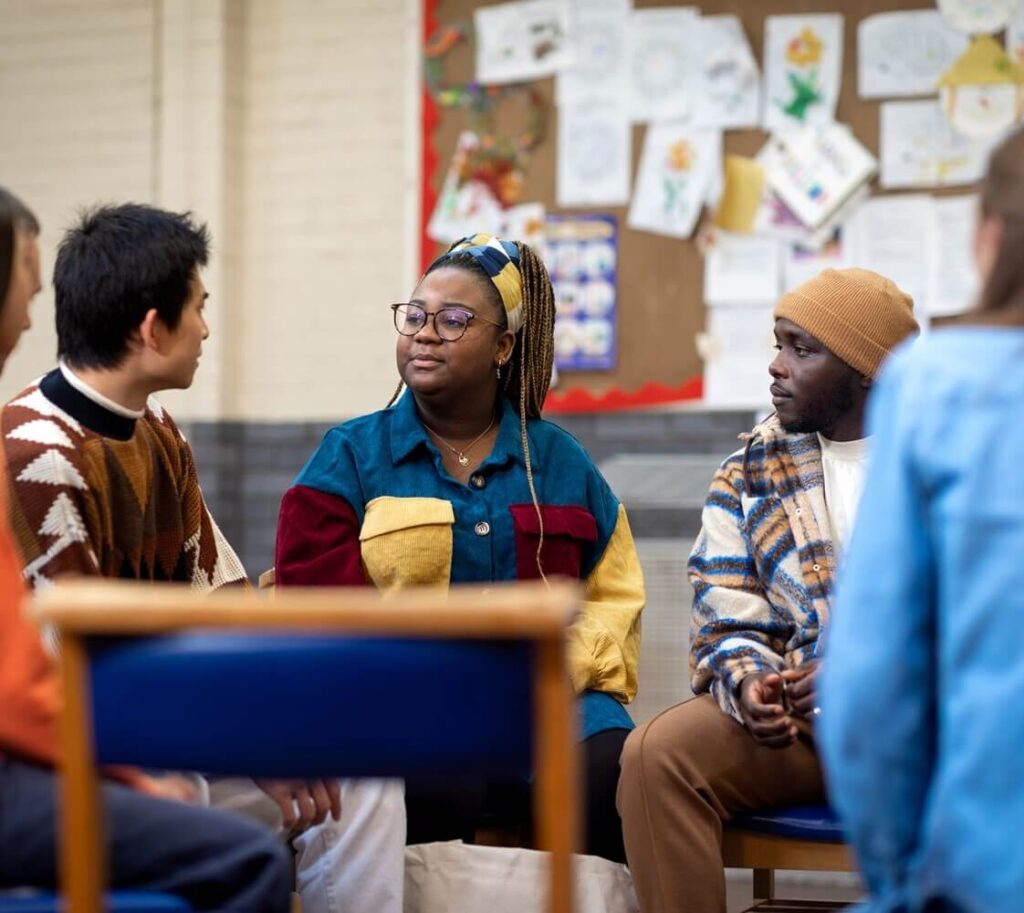

Volunteering doesn’t just help others – it can make a real difference to your own mental health too. Whether it’s meeting new people, learning fresh skills, or having a reason to get out of the house, volunteering can bring a sense of purpose, routine and connection to everyday life.
In this article, we’ll look at the benefits of volunteering and how it can support your wellbeing. You’ll also hear directly from FOOD Club volunteers who share what volunteering means to them, the challenges they’ve faced, and the positive changes they’ve noticed along the way.
The volunteer role was good for developing my confidence, and I feel a lot better in myself for it because I’m helping people.
A volunteer’s story
What do the benefits of volunteering look like in real life? Here’s what one volunteer at Family Action’s FOOD Club had to say:
“I am 20 years old and I suffer with anxiety and have autism. I enjoy reading, watching films and being with animals.
I have been volunteering at FOOD Club for about a year now. Back then I was in a place where I didn’t have a job and I was stuck inside – I needed to get out, try doing something new, and challenge myself.
I enjoy helping people who need food. I think I’ve become more confident talking to people. I’m not very good at talking to people – and volunteering has made me get better at socialising with new people.
I really like doing everything here at FOOD Club. I love talking to all the kids and all the people coming into the club, especially when you have got to know them. You can help people, and also get out of your shell and meet new people.
I have recently started dog walking for my new job. Volunteering has helped me become better at talking to the dog owners, because I have been talking to new people at FOOD Club every week.”
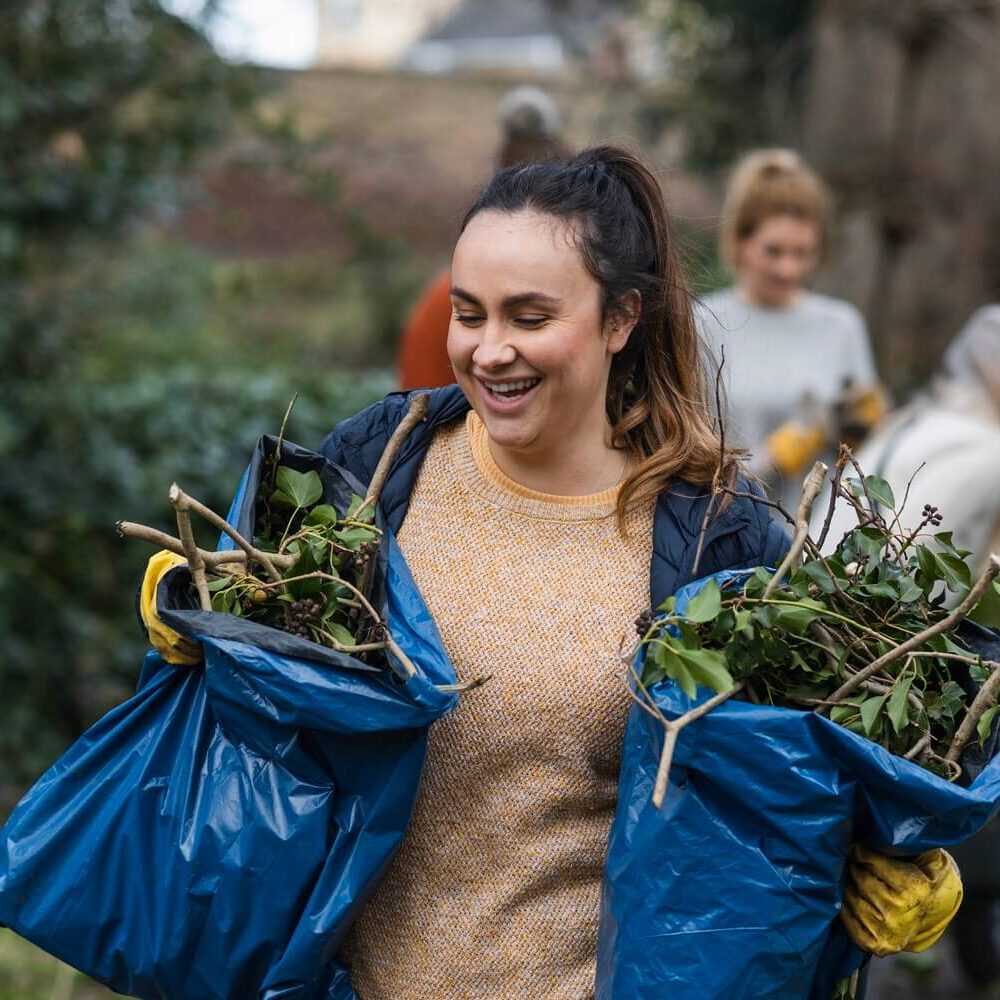
The mental health benefits of volunteering
Research shows that volunteering can have a positive impact on both mental wellbeing and social connection. For example, it:
- Improves mental well-being and overall psychological health.
- Lowers the risk of depression, particularly among older adults.
- Provides a sense of purpose, meaning, and personal fulfilment.
- Strengthens self-esteem through feelings of achievement and contribution.
- Expands social networks and maintains social connections.
- Reduces social isolation, especially for older people.
- Supports coping during life changes such as unemployment or loss of income.
- Enhances feelings of social value, status, and inclusion.
Volunteering offers the greatest benefits when done regularly over time. Frequent volunteering helps you get familiar with the role you’re doing and the people you’re working alongside, making it easier for your confidence to grow naturally.
Another volunteer’s story
Another FOOD Club volunteer gives a flavour of their volunteering activities at FOOD Club, and explains what they most enjoy about the role.
“My family had been using the FOOD Club for a while – we loved the variety of food you get at FOOD Club, and enjoyed trying new foods and recipes. My mum saw how welcoming the team at the club was and suggested that I might like to volunteer there, as she thought I’d be safe and well looked after in the setting, and I’d be busy doing a good thing in the community. So I started doing a shift once a week at the weekend when I wasn’t at school.
I really love coming along to FOOD Club and know that my work here is valued. I tend to be on the reception desk – I give every member a warm welcome. I get people to sign in, and if they’re here for the first time I’ll ask them to fill in a membership form, and explain how FOOD Club works. I’ll also have a chat with members and their children, ask them about their week, tell them what food is available this week, and so on.
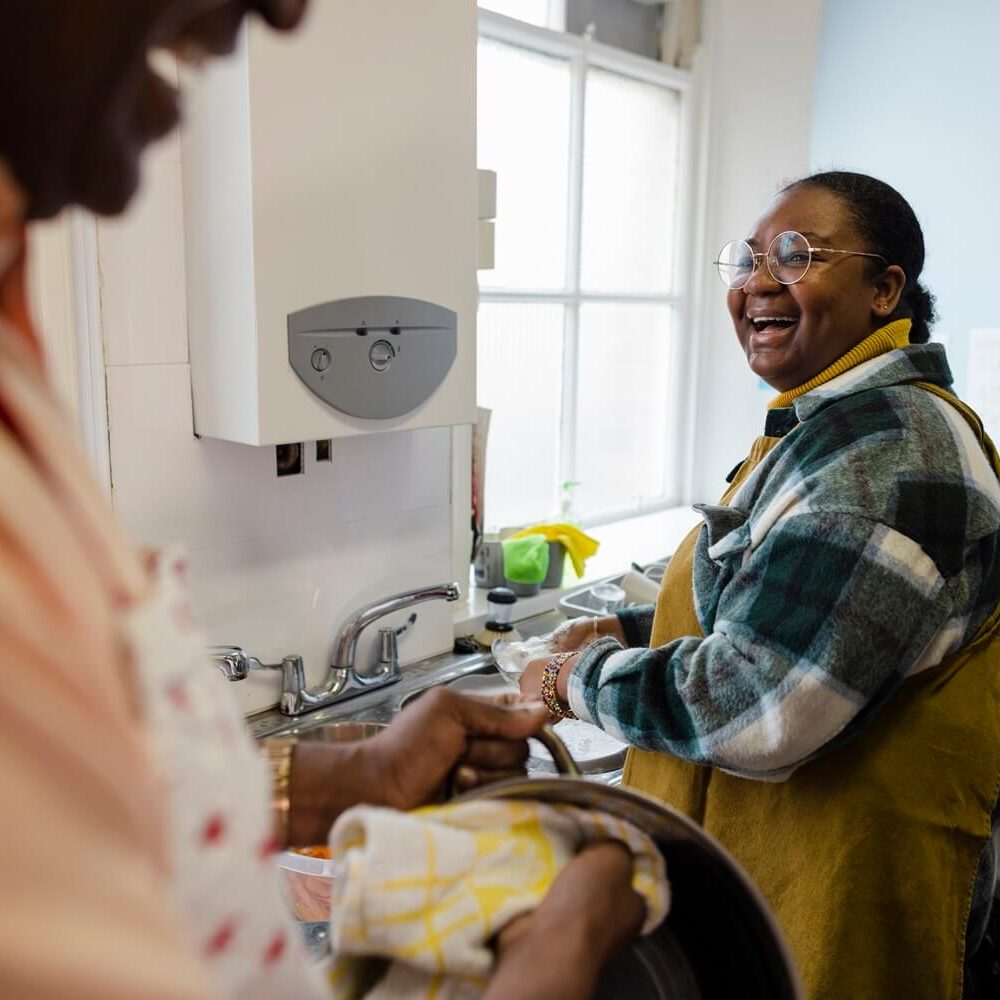
I check people’s food allergies too – and if they are vegetarian, vegan, prefer halal etc – and make sure that they get appropriate items. People are often surprised at what good value for money the club is – and the variety of food items they get each week. People will sometimes tell me what they plan to cook with their food – today for instance one member took away a huge marrow and was talking about stuffing it with some chicken mince and rice.
I have enjoyed my volunteer work so much that after my exams during the summer holidays I started to extend my role and have been helping with deliveries at another club. It’s hard for people my age to get varied work experience and a reference – most of my friends have struggled, but this volunteering role gives me both these things.
I have recently started an apprenticeship where I need to speak to all kinds of people – I think that my volunteer work has helped me to be more confident speaking to people of different ages and backgrounds. I think it has also given me a bit of a break from my studies this year, and the chance to get out the house, do something completely different, and help the local community.”
Where to find volunteering opportunities
If you’re ready to feel the mental health benefits of volunteering for yourself, there are many ways you can find a role.
A great place to begin is with a charity that matters to you. Many organisations rely on volunteers and offer a range of roles to suit different interests, skills and availability. At Family Action, volunteers play a vital role in supporting communities across the UK. See current volunteering opportunities at Family Action here.
Likewise, if a charity has any shops nearby, they might need some help – see this list of Relate charity shops to see if there’s one near you. And if you’re aware of any charities that run groups or projects in your local area, you could check to see if they need any assistance.
No matter how much time you have to offer, you’re likely to find an opportunity that suits you, and it can be a meaningful step towards improving your wellbeing while helping others.
Call, text, email or web chat FamilyLine
If you’re feeling overwhelmed, worried or upset about any aspect of your family life, FamilyLine is here for you. We offer free emotional support and guidance on family relationships, conflict, parenting, caring, financial worries and more.
Contact FamilyLine