
Our Bolton based Community Mental Health Service, BAND shares 10 free acts of kindness that can help us all feel more positive and improve our mental health.
Kindness is more than just a nice gesture – it’s a proven way to boost mental wellbeing. Research shows that giving, even in small ways, can increase happiness, reduce the negative effects of stress, and strengthen social connections.
In this article, we’ll explore why kindness matters and share 10 free kindness ideas you can try today to make life brighter for yourself and others.
Why kindness matters
Acts of kindness aren’t just good for the recipient – they benefit the giver too. Here’s why:
- Boosts mental health: Studies show kind acts can reduce anxious feelings and depression symptoms by promoting positive emotions and a sense of purpose.
- Creates social connection: Kindness strengthens relationships and builds trust, which is vital for resilience and community wellbeing.
- Physical benefits: Kindness can reduce the effects of stress on the body.
- Ripple effect: When you’re kind, others are more likely to pay it forward.
- Supports recovery: For people experiencing mental health challenges, kindness – whether given or received – can be a powerful tool for healing and self-worth.
Mental Health Awareness Week in the UK has highlighted kindness as a theme in the past, and the New Economics Foundation’s Five Ways to Wellbeing includes ‘giving’ as a key step to improving mental health.
Kindness isn’t just ‘nice to have’ – it’s an important part of wellbeing.

1. Do a household chore for a family member
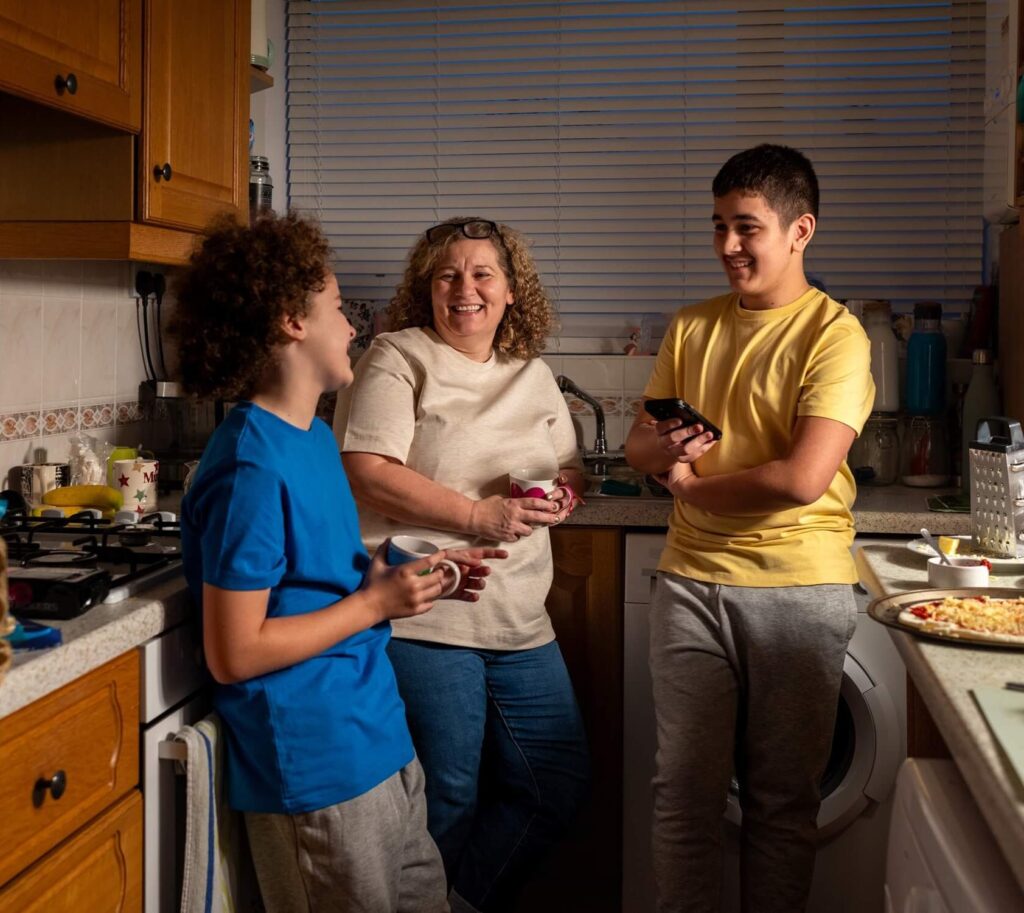
Help a family member out by taking on one of their chores to lighten their load. If someone leaves dishes soaking, give them a nice surprise by washing and putting them away. Small gestures like this reduce stress and create a sense of teamwork at home – and who wouldn’t appreciate having one less chore to do?
You could also extend this to neighbours by offering to water plants or take bins out when they’re away.
2. Don’t let good work go unnoticed
If an employee in a shop brightened your day or was especially attentive, find the business on social media and let them know. If your friend has lifted your spirits or someone has done you a good turn, don’t let them forget about it.
You might also leave a positive review online or send a thank-you email. Recognition boosts morale and encourages more kindness. In workplaces, acknowledging colleagues’ efforts can improve team culture and mental health.
3. Pass information on
If someone you know is looking for a job, has a particular interest in a topic, or is searching for a new car, pass on any leads you come across. Something you happen to stumble across, maybe as you’re using social media, could be what they’ve spent weeks looking for. Passing on useful information shows you’ve been paying attention and thinking about them.
4. Pick up litter in your neighbourhood
Litter-picking will make you the object of your whole street’s affections, and means you’ll be doing your bit for the environment too. Cleaner streets improve community pride and reduce stress associated with neglected spaces.
Additionally, many charities run local litter-picking groups for volunteers to get involved with. And your council might provide you with bags and a litter grabber to use when you can.
5. Plant flowers and bushes in your garden
Gardening can reduce anxious feelings and boost mood. Adding more plants and flowers to your garden gives local insects, birds and animals both food and habitat. Choose pollinator-friendly plants like lavender or wildflowers to support biodiversity.
No garden? Window boxes or planters on the balcony or patio are great alternatives. There might also be a local community garden you can get involved with.
Your comment might push them closer to their dreams – or simply make them smile.
6. Leave comments on social media and articles
If you’ve read something interesting or helpful online, let the author know. Your comment might push them closer to their dreams – or simply make them smile.
As anyone who uses the internet will know, there can be a lot of negativity online, and positive engagement helps to counter this. You could also share the article or post on social media to amplify its reach.
7. Send somebody a book
If you’ve recently read a book that you’ve loved, pass on that feeling and gift it to a friend when you’re finished with it. Or if you don’t want to part with your own copy, let them know you think they’d love this particular book – this shows you’re thinking of them. Plus, you can often get books at really reasonable prices in charity shops, so you might find a copy there.
You could include a note explaining why you loved the book, and why you think the person you’re passing it to will enjoy it too. This makes the gift more personal and encourages meaningful conversations.

8. Make somebody a cup of tea
If you’re putting the kettle on for yourself, ask someone nearby if they want one too. The time the kettle takes to boil is a great opportunity for a quick catch-up, and then you can continue your chat over a cuppa.
For those that love a hot drink, it’s a lovely comforting thing, especially on a chilly day. And in workplaces, offering tea can break down barriers and make people feel included.
9. Send a letter or card to a friend
Send a card or letter to a friend so when the mail drops through their letterbox, there’s a pleasant surprise with the leaflets and bills. Handwritten notes feel more personal than texts and can be kept as keepsakes. This act is especially meaningful for older relatives who may feel isolated.
You could even enclose a small gift. This might be something you’ve made or baked, some seeds for flowers they love, or a drawing if someone in your family is creative. Or if you feel like experiencing the benefits of creative writing on your mental health, you could try writing your friend a poem.
10. Stop to help
If you see somebody who may need assistance, offer to help them. They might say no – but they might say yes, and you could end up making their day.
Even small gestures – like holding a door open or offering directions – can make a big difference.
Bonus: Self-kindness
While we’re on the topic of free acts of kindness, it would be rude to exclude ourselves, especially since self-kindness is linked to lower stress and better resilience. Here are three ways to show a little kindness to yourself by focusing on your own wellbeing:
- Daily me time: Make sure you have something to look forward to every day. This might be a favourite TV show, a certain food you like, or an activity you enjoy doing.
- Love yourself: You have to spend every second of your life with yourself, so be your own best friend. Try to talk to yourself in the same way you would talk to somebody else you care about. Mindfulness or journaling can help reinforce positive self-talk.
- Remember you are equal: We often put extra love and effort into meals for the family, but when cooking for ourselves, it’s easy to settle for something quick. Try to give yourself the same care – make nutritious meals you’ll enjoy, just as you would for someone you love.

Call, text, email or web chat FamilyLine
If you’re feeling overwhelmed, worried or upset about any aspect of your family life, FamilyLine is here for you. We offer free emotional support and guidance on family relationships, conflict, parenting, caring, financial worries and more.
Contact FamilyLine