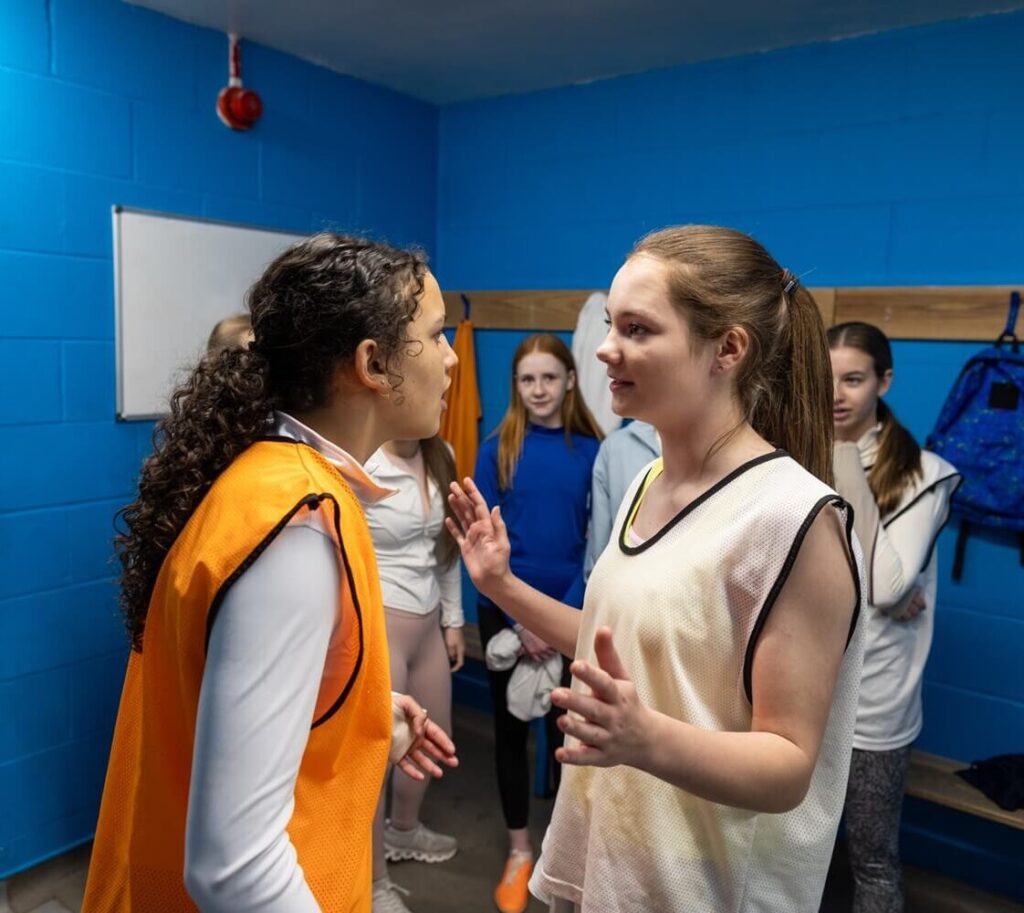

Exam time can be challenging for many young people. While some people can thrive under a little pressure, too much can negatively affect wellbeing and confidence.
As a parent or carer, you may wonder what you can do to support your young person through this often tricky and stressful time. The good news is you can help by offering steady support, practical help and reassurance.
In this article, we share some suggestions to help you support your young person before, during and after exams.
Where exam pressure comes from
Exam pressure can come from a variety of factors, such as:
- expectations from school
- comparisons with others
- fear of disappointing family
- worries about future plans.
It can build gradually or appear suddenly, and it affects young people in different ways.
While exams matter, they don’t define a young person’s abilities or future. Keeping this perspective can help you offer calm and balanced support at home.
How to spot signs of exam-related stress
Young people don’t always say when they’re feeling under pressure. Some signs to look out for include:
- increased irritability, tearfulness or mood changes
- withdrawing from family or friends
- difficulty sleeping, or sleeping more than usual
- changes in appetite
- headaches, stomach aches or generally feeling unwell
- avoiding revision or, at the other extreme, studying for very long hours.
Many young people experience some of these signs occasionally during exam periods. This can be a normal response to pressure. It may be more of a concern if changes are persistent, worsening over time, or significantly affecting daily life. Try to be aware of any patterns of behaviour, as this can help you spot when your young person may need extra support.

Create a supportive environment at home
A calm and predictable home environment can make a real difference during exam periods.
It might not be possible in every household, but the following can help:
- Keep regular routines around meals and bedtimes as far as possible.
- Ideally, make sure there’s a quiet space available where your young person can concentrate on revision.
- Reduce extra responsibilities or chores during exams where possible, so your young person has fewer demands on their attention.
- Avoid starting conversations about results or future consequences.
To help your young person feel more in control of their time and routine, don’t plan their day for them. Instead, do it together if possible.
Support revision without taking over
Many parents and carers want to help with revision but are unsure how much involvement is helpful. Support works best when it encourages independence rather than adding pressure.
This means the simple answer is to ask your young person how you can help them. But it’s also a good idea to be prepared with a few suggestions in case they’re overwhelmed and just don’t know what you can do.
Some examples might be:
- Help them find the right revision technique for them. For some ideas, take a look at BBC Bitesize’s top revision tips or this guide to revision techniques on the UCAS website.
- Encourage your young person to create a simple revision plan, focusing on manageable tasks.
- Suggest short revision sessions with regular breaks.
- Look into any guidance and revision materials provided by their school.
It might be tempting to closely monitor revision, set very detailed timetables or push your young person to revise in a particular way. Although you might mean well, doing this may increase pressure. Stepping back and allowing your young person to take responsibility can help them build confidence and reduce stress.
Promote healthy coping strategies
Keeping to usual routines and sticking with good habits can help with managing stress. You can help your young person with this in the following ways:
- Encourage a good night’s sleep – revising late into the night is usually counter-productive.
- Help them to make sure they eat balanced meals and drink enough so they don’t get dehydrated.
- Suggest they do a little physical activity if they’ve been sitting down studying for a while. Walking or stretching is great, and if there’s a sport or other type of activity they enjoy, encourage them to keep it up throughout this busy period if possible.
- Encourage some other time away from screens and schoolwork too. Downtime is important too as it makes study time more effective.
- Help your young person find some relaxation techniques that work for them. That could be a hobby like drawing or making something, reading a book for a bit of escapism, downloading an app with meditation or breathing techniques, or something else that works for them.

Consider how you talk about exams
The way you talk about exams at home can also have an impact on how much pressure your young person feels.
Approaches that can be helpful include:
- using open, neutral questions such as “How are you feeling today?”
- praising effort and preparation rather than results
- avoiding repeatedly asking about exams or revision progress
- reassuring your young person that your support is not dependent on grades.
If your young person doesn’t want to talk, let them know you’re available when they’re ready. This can help keep communication open without increasing pressure.
On exam days
Exam days can be intense. Some of the stuff we’ve already talked about above can help reduce stress on exam days, particularly keeping to usual routines and finding coping strategies that work (see the section ‘Promote healthy coping strategies’ above).
There might be something your young person can keep with them that would offer some comfort if they’re feeling stressed. It might be a particular scent, something small they could keep in their pocket, or something they could wear. Whatever it is, it should be something that feels meaningful to them so it provides a bit of comfort.
Here are some suggestions for other things you could do:
- Prepare equipment and clothes the night before. Make sure you and your young person are familiar with any rules about what they can and can’t take into the exam.
- Make sure travel arrangements are clear and there’s plenty of travel time in case of any delays or bad traffic.
- Encourage your young person to eat something, even if they don’t feel like it. Sometimes feeling overly hungry can lead to an unsettled stomach and be a distraction.
- Keep conversations calm and brief.
It’s usually best to avoid last‑minute revision, unless your young person finds it reassuring. And even if you’re feeling nervous for your young person, try to appear outwardly calm as this will be more helpful to them on the day.

When exams are done
Once exams are over, young people may feel relief, disappointment or a mix of emotions. All of these responses are normal.
At this point, encourage them to rest and relax. Help your young person get back into their usual routines and back into the activities they enjoy now the hard work is done.
Try to avoid any detailed conversations about how your young person feels the exam went. You can discuss their results when that time comes. In the meantime, some reassurance can help to prevent ongoing worrying or dwelling on what happened. It might also be a nice time to discuss your young person’s strengths, regardless of how they feel the exam went.
When additional support may help
Despite best efforts, exam pressure can feel unmanageable for some young people. Your young person may need some extra support if they’re:
- experiencing ongoing anxious feelings or low mood
- having panic attacks or other physical symptoms that affect their daily life
- avoiding school or exams entirely
- talking about feeling overwhelmed or unable to cope.
You can access support through your school, GP or family support services. Many schools have pastoral or wellbeing staff who can offer support during exam periods. You can also use Family Action’s service finder to see what help is available in your area, or contact our helpline FamilyLine.
For a resource you can share directly with your young person, see Childline’s information on exam stress and pressure or Mind’s page on exam stress for 11-18 year olds.
Exams are a temporary part of your young person’s life. You don’t need to try to remove all of the stress or have all the answers. Being present, predictable and supportive is often more helpful than trying to fix the situation – and above all, don’t forget to ask your young person what they need from you.

Call, text, email or web chat FamilyLine
If you’re feeling overwhelmed, worried or upset about any aspect of your family life, FamilyLine is here for you. We offer free emotional support and guidance on family relationships, conflict, parenting, caring, financial worries and more.
Contact FamilyLine