Sometimes people just need to be listened to, without judgement.
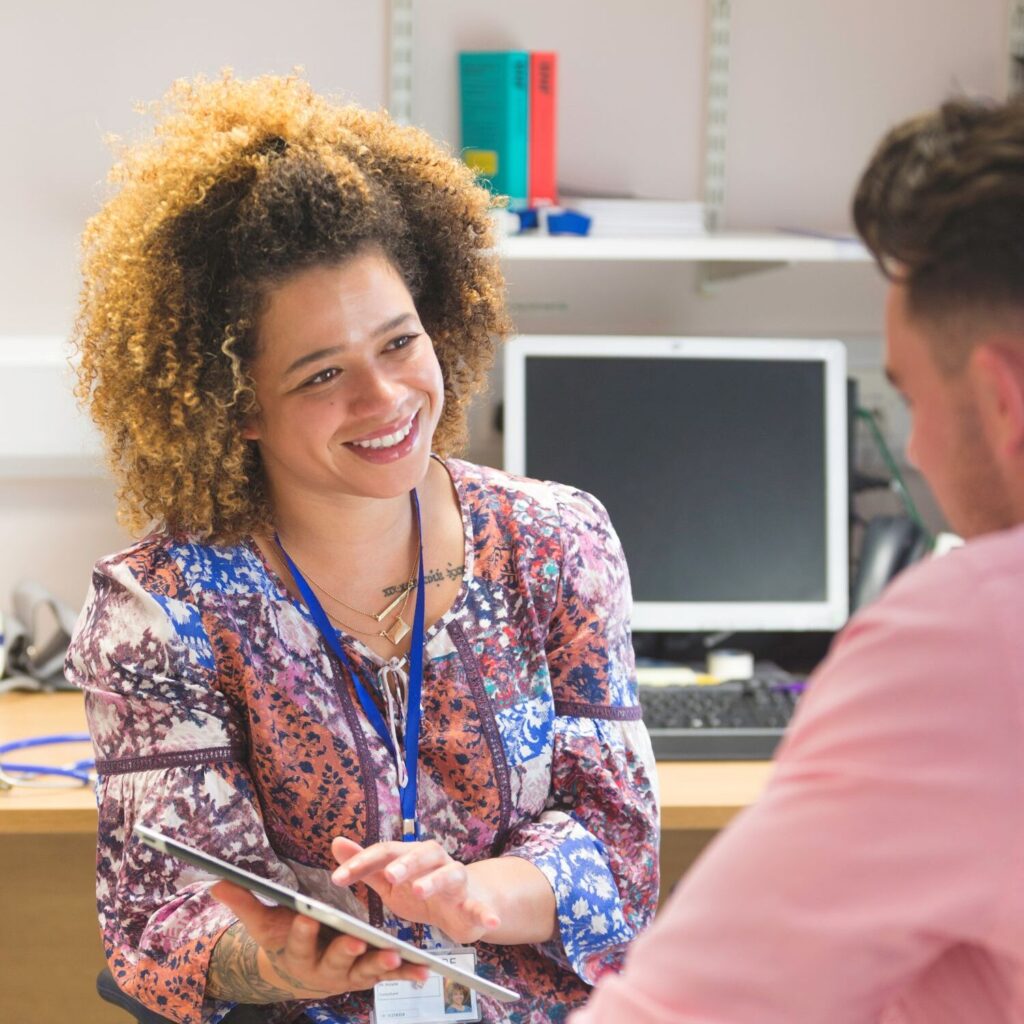
Social Prescribers work at a community level to address the root causes of poor health, such as financial stress, housing, or loneliness. Here, Family Action’s Sadie Alleyne and Beverley James explain what this essential role involves, and what they love most about their work.
As like many roles within family action, no two days are ever the same as a social prescriber and that’s one of the things we love most about the job. There is also the usual rhythm of the week that keeps us ticking and keeps the clinics going.
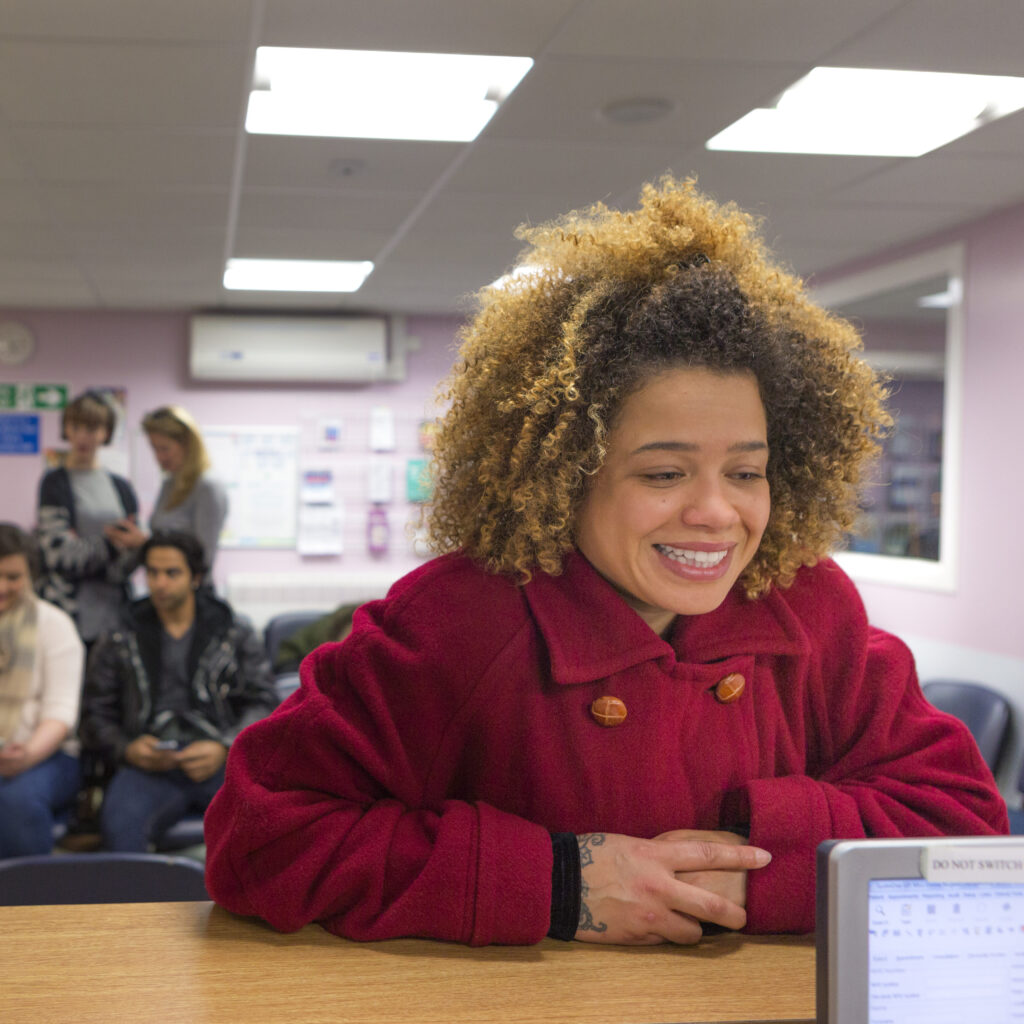
You start your day with the usual greetings from the GP reception teams. Receptionists are valuable and important support for a social prescriber; we get to know them well. You may not be there each day, but they know what you do and how you support patients with “the non-medical and social stuff”, they help you find a room that is free, support with Wi-Fi issues, patient rescheduling and tell you where the nice biscuits are in the cupboard!
You enter the room, take a seat, and look over the clinic of patients booked in for the day. We can see a patient’s medical record, details of consultations, letters, and medications but really our most important assessment is with the person themselves. What matters most to them? What is their priority?
Conversations are at the heart of what we do. Each one represents a real person with their own story - someone who might be feeling lonely, overwhelmed, or unsure where to turn.
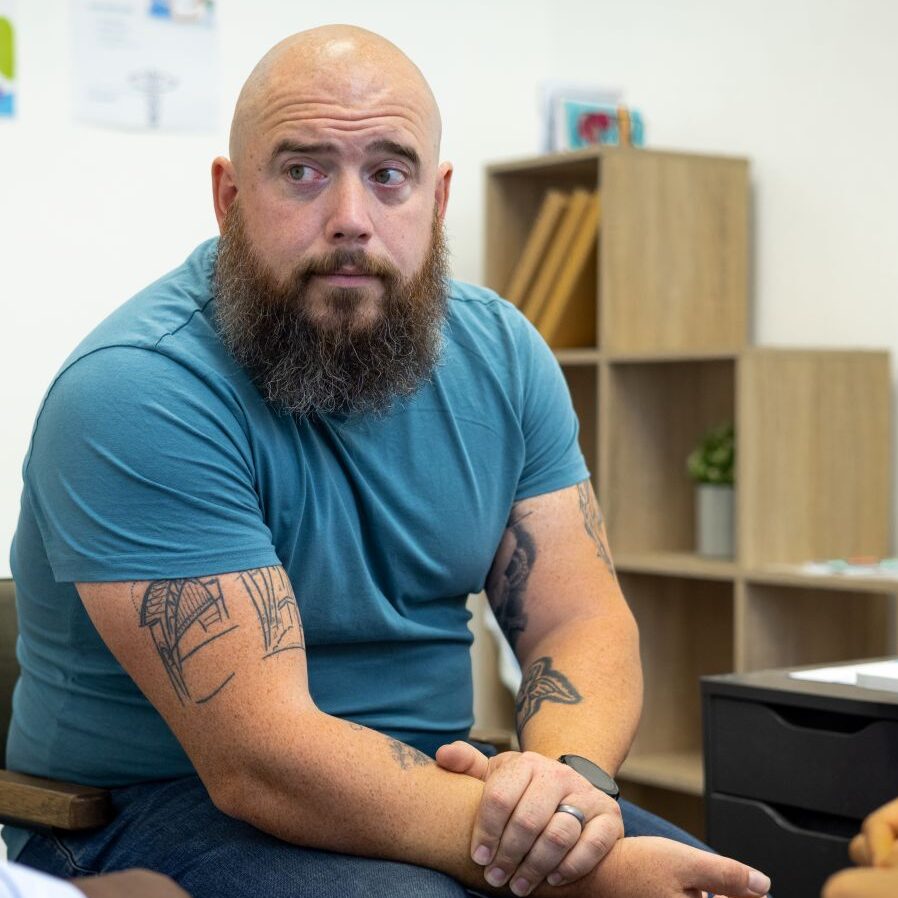
“I know you probably don’t have much time”, often patients say. Assuming they have 10 minutes like they do with the GP. “Take your time, perhaps start with what is bothering you the most.” And the person might let out a deep breath.
Sometimes people just need to be listened to, without judgement. Other times, they want practical help – finding a local group, getting advice, or learning new skills. We work together to find the right support that feels manageable for them.
A big part of the role is connecting people with their communities – whether that’s a walking group, a digital skills class, a carers’ network, or something creative. It’s not just about sharing information.
The power of providing a consistent listening space and contacting as promised helps people feel confident enough to take that first step.
There are, however, times where no matter how much social prescribing we do, we cannot cut down the waiting time of the housing list, change someone’s financial benefits or visa status, take away their eviction letter, or remove a painful long-term condition. We have our limitations, and this can be hard for both the person and the social prescriber to realise together.
Behind the scenes, there’s also plenty of admin – updating notes, following up on referrals, speaking with GP surgeries and community partners. It can be busy but knowing it can help someone get the support they need makes it worthwhile.
The impact of the work continues once a case is closed. Often these referrals on behalf of the person may result in a new friend being made, a new place to relax or a new support network because we took the time to think about what they needed. This is an important reminder of the long-term impact we all have in our supporting roles that we may never get to see.