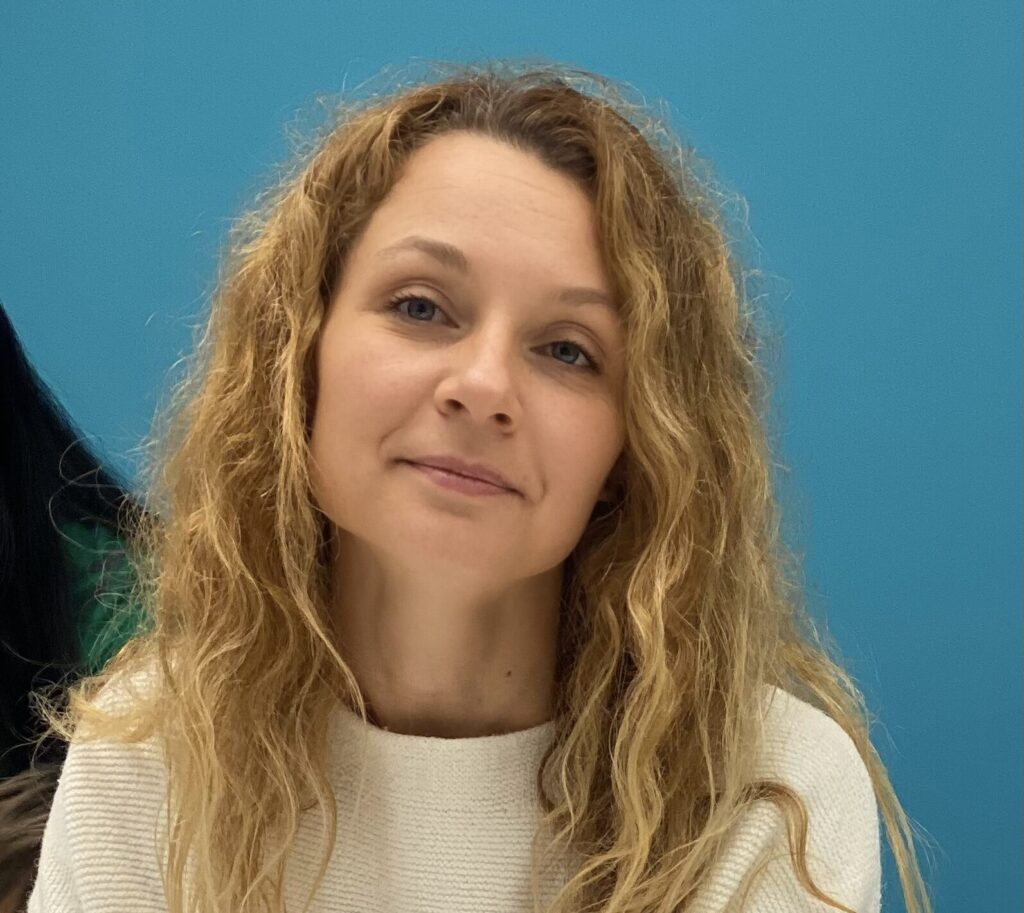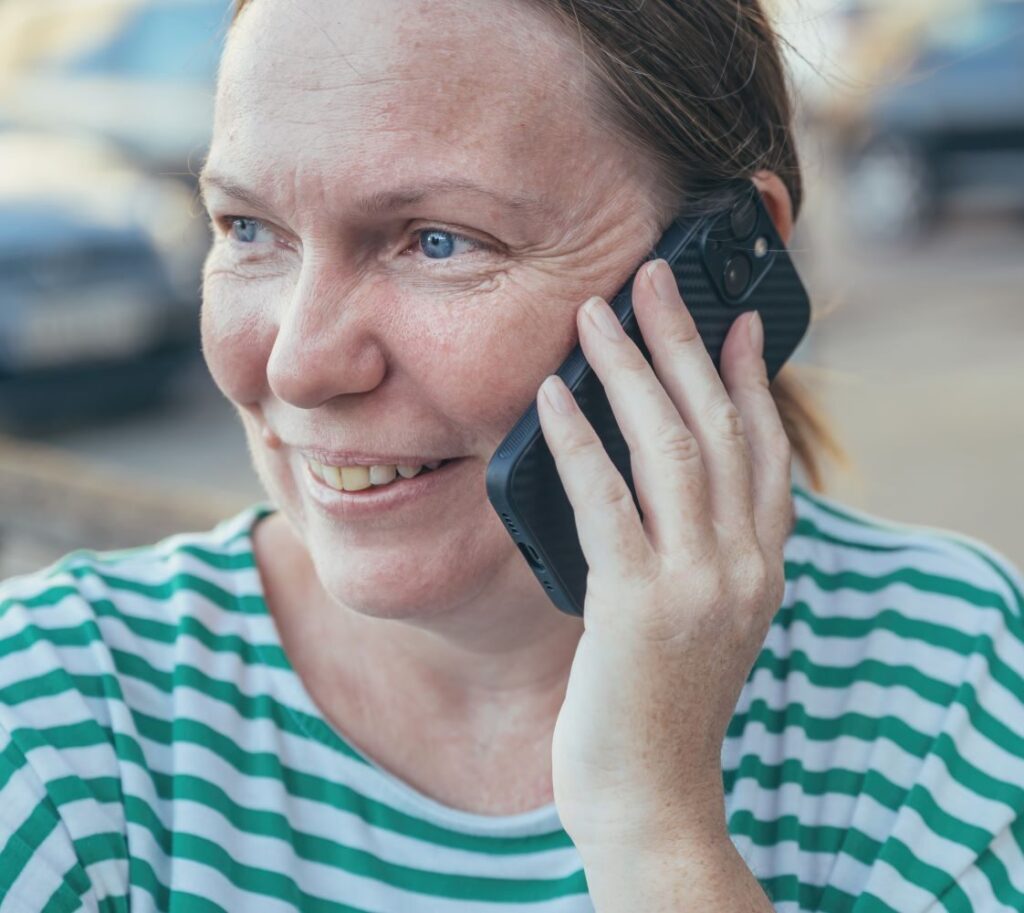
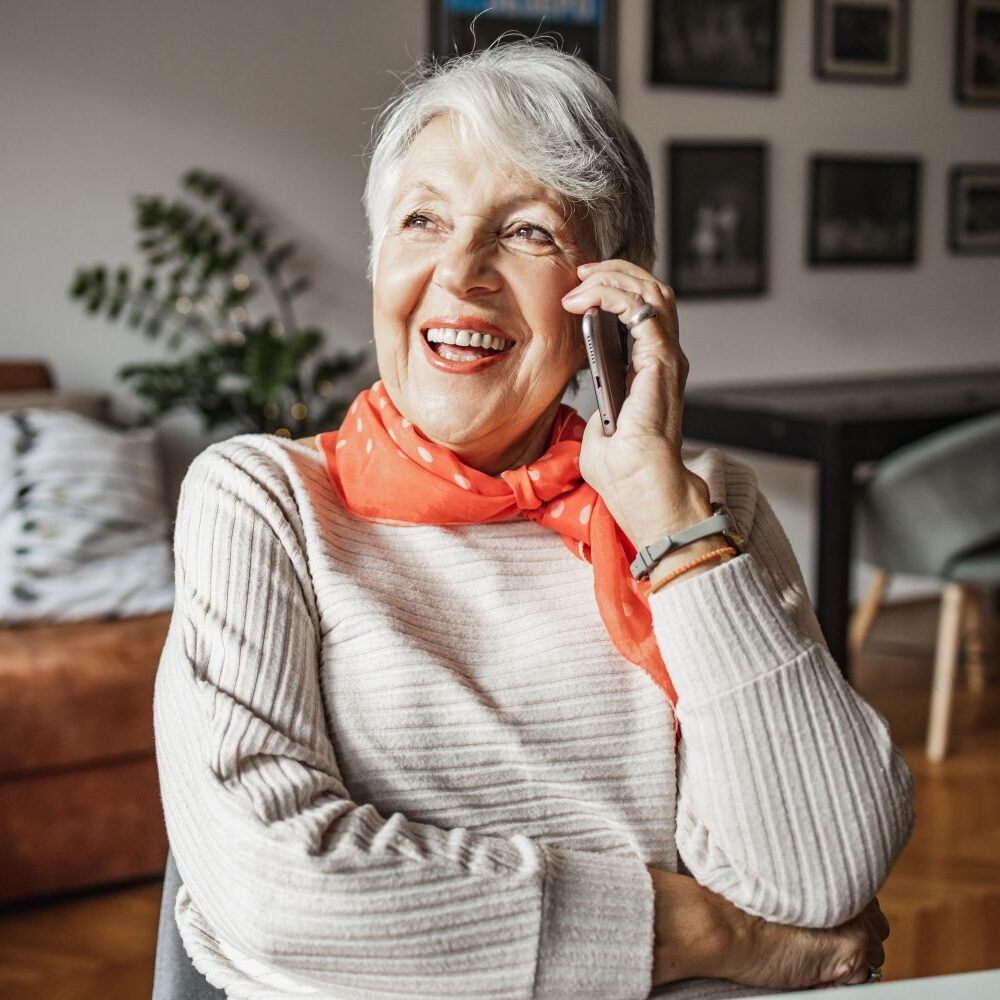
After retiring from a successful career in IT project management, Paula was looking for a meaningful way to use her skills and give back to others. Three years later, she is a dedicated volunteer and mentor with FamilyLine, supporting people facing challenges ranging from anxiety and loneliness to family pressures. For her, the role is about more than signposting support services – it’s about making genuine human connections and ensuring callers feel heard, understood and valued.
With a lot of the calls that we take somebody just wants to hear a human being saying, I understand how you feel and understand that what you’re doing isn’t wrong.
I’ve just done a referral to counselling for a lovely bloke who was suffering from anxiety.
He said it was absolutely fantastic to talk to somebody, and he couldn’t tell me how much difference it’s made. But to be honest, it matters a lot to me too, and if he feels better, I feel better.
It sounds a bit like I’m gloating, but the role also gives me perspective on my own life and makes me realise how common adversity is for all of us… It allows me to say to myself “It’s life… get a grip”.
You’re making a human connection, and I don’t know how you quantify that... I guess it’s the feel-good factor.
I’ve been lucky all my life and there’s never been any big trauma, and I wasn’t sure if that made me ill-prepared for the role and they’d think I wouldn’t understand. But I did have skills and experience I could use that I’d built up during my working life.
Before my husband and I both retired early to do some volunteering and travelling, I’d had a full-on job as an IT Project Manager. I’m a 110 per cent person in whatever I do, and I was trying to be flexible and use the skills I had.
I found lots of information about types of volunteering and FamilyLine was my first choice. Now I’ve been volunteering for three years, so I sometimes help with the recruitment and training process, and I join calls so potential volunteers can ask me questions.
It’s nice as you don’t realise how much you know, and it brought it home when a new lady who started a few weeks ago asked me, “how am I going to remember all this?”. I told her not to worry about it, as she’d get it.
Through my role as a mentor, I can ensure that new people joining the service know that someone comes to shadow them, so they have support.
If you have a tough shift, you can contact your supervisor and chat it through – even if you’ve not finished the shift.
If you asked me why FamilyLine works so well for me I’d say it’s the flexibility, which you don’t always have in volunteering. You can choose different shifts, and you can do as much or as little as you’d like to do, but I do have a pattern.
I tend to work mornings, and over a two hour shift you typically average four calls, but sometimes you might take less. My personal record for most taken is 11 in two hours – It was non-stop, and I’ve never known a shift like it.
It might not sound like much but remember that people are in real need, so there’s no way you would ring off.
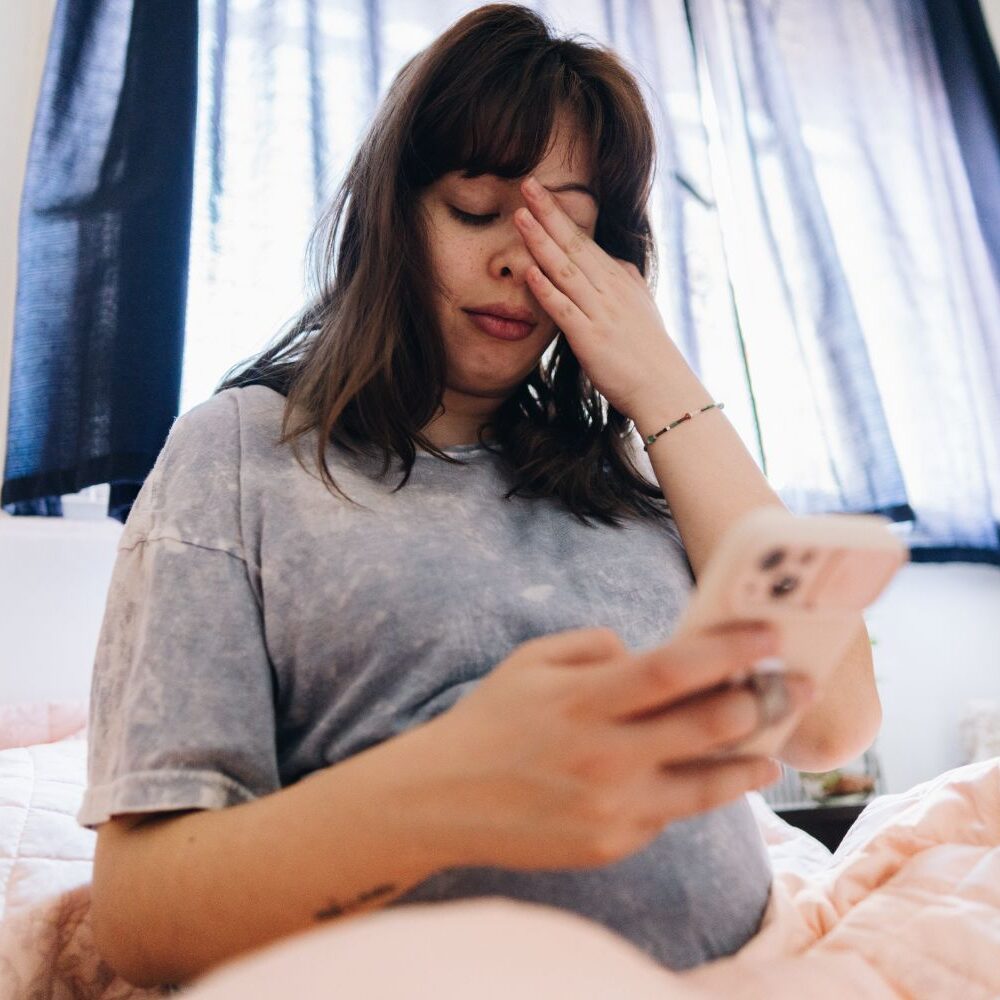
We all work from home and for me that’s easy and convenient. I’ve always had a home office back from when I worked, so I’ve got a private space I can sit in, and that helps me to leave the work at the end of the shift.
You get some repeat callers, and I’ve been talking to one woman for two years on and off, but thankfully you rarely get abusive callers, and you’re trained to deal with them.
Coming into the service after COVID there were a lot of people calling in about isolation. People have lost those connections to their workplace and I think, if I was working now, I’d want to work in an office most of the time – it’s why I always purposely join our team meetings, so I can see faces and get to know my fellow volunteers and paid staff.
Being part of a team and feeling that I’m being useful is important to me and I don’t do a shift where I feel like I haven’t done somebody some good on some level.