
You might have heard the saying: “It takes a village to raise a child”. Some parents have that reliable support network of family, friends or a mixture of both around them. But for many parents, that isn’t the case. Those parents are often faced with feelings of isolation and low mood that can really take a toll on their mental health.
So what can you do if you’re new to parenthood and don’t have any support around you? We spoke to Family Action colleague Ragen, who works in our Wythenshawe Children’s Centres & Family Hub, to find out.
This article covers:
- Why some new parents have no support around them
- How isolation can affect new parents
- How finances can add to isolation
- Practical ways to reduce isolation
- When and how to get professional support
For more on understanding your feelings and finding support, read our article Mental health for new parents: Understanding your feelings and finding support.
Why some new parents have no support around them
There are many reasons why parents may find themselves without family or friends to turn to. Some have recently moved to a new location that’s geographically not close to their family and they don’t yet know anyone locally. Others may live close to their family but have chosen to cut contact because their relationships have broken down.
For others, they may not have chosen to move. Some parents have experienced domestic violence and have had to move for their own safety. Others may be living in the UK as asylum seekers and arrived with very few (or no) connections.
Those fleeing domestic violence [might be] completely isolated and cut off from friends and family to try and keep themselves and their children safe.
These situations can leave parents facing early parenthood without the informal support that many others rely on.
How isolation can affect new parents
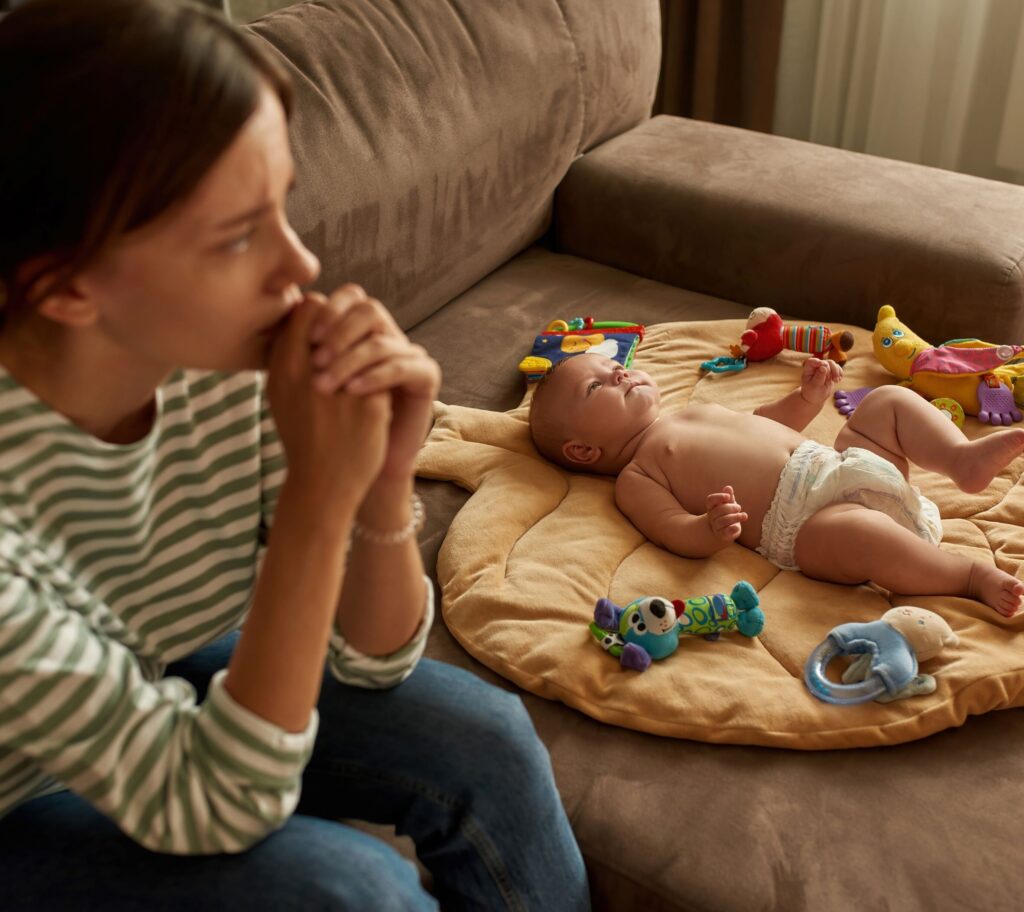
Feeling isolated as a new parent is only one part of the picture. Many parents first seek support because they are struggling with their mental health or low mood. According to Ragen:
Usually the presenting issue is low mood, feeling they can’t cope anymore… and the other thing would be isolation.
For some, feelings of desperation can become overwhelming. “[Some parents] will admit to suicidal thoughts,” Ragen explained, “because they feel so desperate, like nothing’s ever going to get better.”
A lack of someone to share everyday experiences with – both good and bad – can also take its toll. “Sometimes we get families coming in with good news because they’ve got no one else to tell,” Ragen said. “That’s always tinged with sadness.”
These feelings and emotions can make it harder to manage daily tasks, make decisions, or reach out for help.
How finances can add to isolation
Money issues often add to the challenges of parenting without support. Firstly, childcare can be expensive, and if you can’t afford childcare, this can stop you working or limit your independence.
For parents who are just making ends meet, it can feel like it isn’t really worth working. For some, their wage covers their childcare costs, leaving them nothing for bills. For others, their childcare costs are more than what they earn.

Another issue parents can encounter is difficulties working while managing mental health struggles. If you’re dealing with the complexities of poor mental health, it can be very difficult to work. But work also often puts you in an environment where you come into contact with other adults, where even if you aren’t friends with your colleagues, it still allows you to have adult conversations.
If you don’t have the support of family and friends nearby, and you’re the only person looking after your child, it can be very difficult. Without access to childcare or flexible working options, parents may spend long periods alone with limited adult interaction, which can in turn negatively affect mental health.
Practical ways to reduce isolation
Feeling isolated is common for new parents – even those with support. But for those with no support network, there are options to build connections and find support.
Antenatal and early parenthood support
Many areas offer antenatal programmes that help you develop your parenting skills while helping you meet other new parents in your local area. What’s available in your area will depend where in the country you are.
As an example, one course offered by Family Action in the Wythenshawe area is the 4-week Bump to Baby programme, which provides information to expectant parents and also opportunities to connect with others. Another Manchester-based programme is Empowering Parents, Empowering Communities (EPEC), which is aimed at parents of children between 12 months and three years.
If there’s a family hub near you, try contacting them as they likely offer some similar training. If not, ask your midwife or health visitor if they’re aware of any courses that fit where you are in your parenting journey.
Local groups for parents
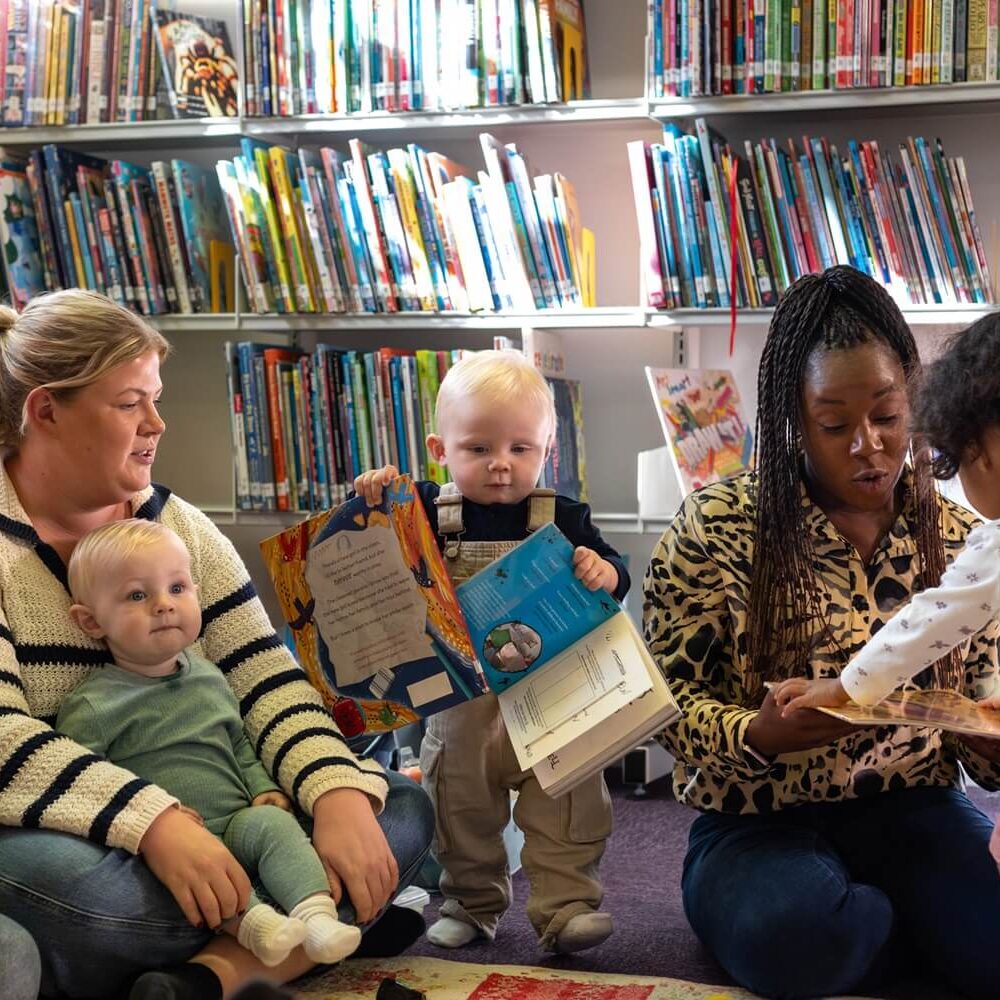
Community centres, family hubs and libraries often host free or low‑cost activities for parents and children, such as baby groups, stay‑and‑play sessions, and baby massage. Parents of children with additional needs may also find specialist groups that offer the support you and your child need.
Different community services are often linked, so finding one can open the door to others. If you have a local library or community hub, visit them to see what’s going on. Groups are often advertised on the noticeboards, and even if there’s nothing at that location, they’ll likely be able to tell you what’s happening elsewhere locally.
You may also find free parent and baby groups are held at local churches. These groups tend to be welcoming to all, whether you’re religious or not. They’re often organised by parents, who volunteer to run them.
It’s also worth checking any Facebook pages based on your local area – they often advertise local groups too.
If you feel anxious about joining a group
Even if you’ve found a local group that you want to try, actually getting there for the first time can be tricky. Being the new person somewhere can feel daunting, and many parents feel nervous about the moment they walk into a group for the first time.
Ragen explained:
People can be really scared of walking into a group on their own… even people that have got a support network can really struggle with that.
If this feels familiar, consider contacting the group beforehand. Most have some kind of social media, or there might be a phone number or email address. Whichever way feels most comfortable to you, try getting in touch with whoever is running the group to ask questions, or let them know that you’d like to join but are a bit nervous about doing so.
Many are happy to arrange a first meeting in a quieter space or accompany you as you walk into your first session. And if they know you’re attending for the first time, the person running the group can look out for you ready to welcome you when you get there.
When and how to get professional support
If you’re struggling with your mental health, speak to your GP, midwife or health visitor. If you ever feel unable to keep yourself safe or have thoughts of harming yourself, please seek immediate support by contacting emergency services or a mental health crisis helpline.
Family Action also offers a range of services and resources for parents and families – use our service finder to see what’s available in your area. And if you’re looking for parenting groups in your area, don’t forget to ask at your local library or community centre.
Finally, Home-Start is a national organisation with trained volunteers who visit families at home to give them the support they need. This can be really valuable when you have no one else around you to lean on, whether you need advice or just want some reassurance. Find your nearest Home-Start on their website.
Call, text, email or web chat FamilyLine
If you’re feeling overwhelmed, worried or upset about any aspect of your family life, FamilyLine is here for you. We offer free emotional support and guidance on family relationships, conflict, parenting, caring, financial worries and more.
Contact FamilyLine