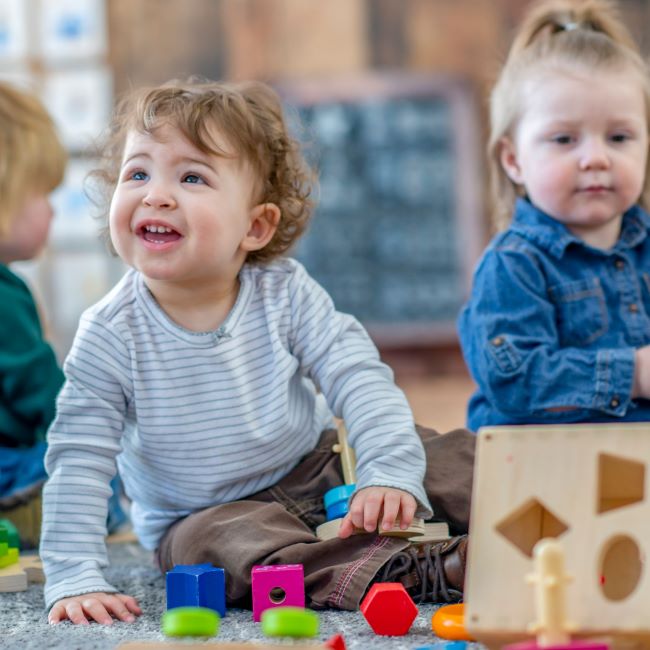
Your child’s first day at nursery or pre-school is a big milestone in their lives, so it’s understandable that you might be worrying about how they’ll cope with the change. It’s also a big deal for many parents – it’s the first step to your child becoming more independent from you. While it’s an exciting milestone, it can also bring up anxious feelings for both parents and children.
If you’re wondering how to prepare your child for starting nursery or pre-school, play can be a simple and effective way to help them feel ready. In this article, we’re sharing some playful ways to prepare.
Play activities to help children prepare for starting nursery or pre-school
Practising group activities
Circle time (also known as story time) is a common activity at nursery or pre-school. It’s when children learn to sit together, listen, and take turns in conversation.
You can support this at home by practising sitting and listening to a story that’s read aloud with a caregiver, siblings and even a few toy friends. This can help children feel more comfortable when they experience it in the setting.
Learning to take turns and follow rules
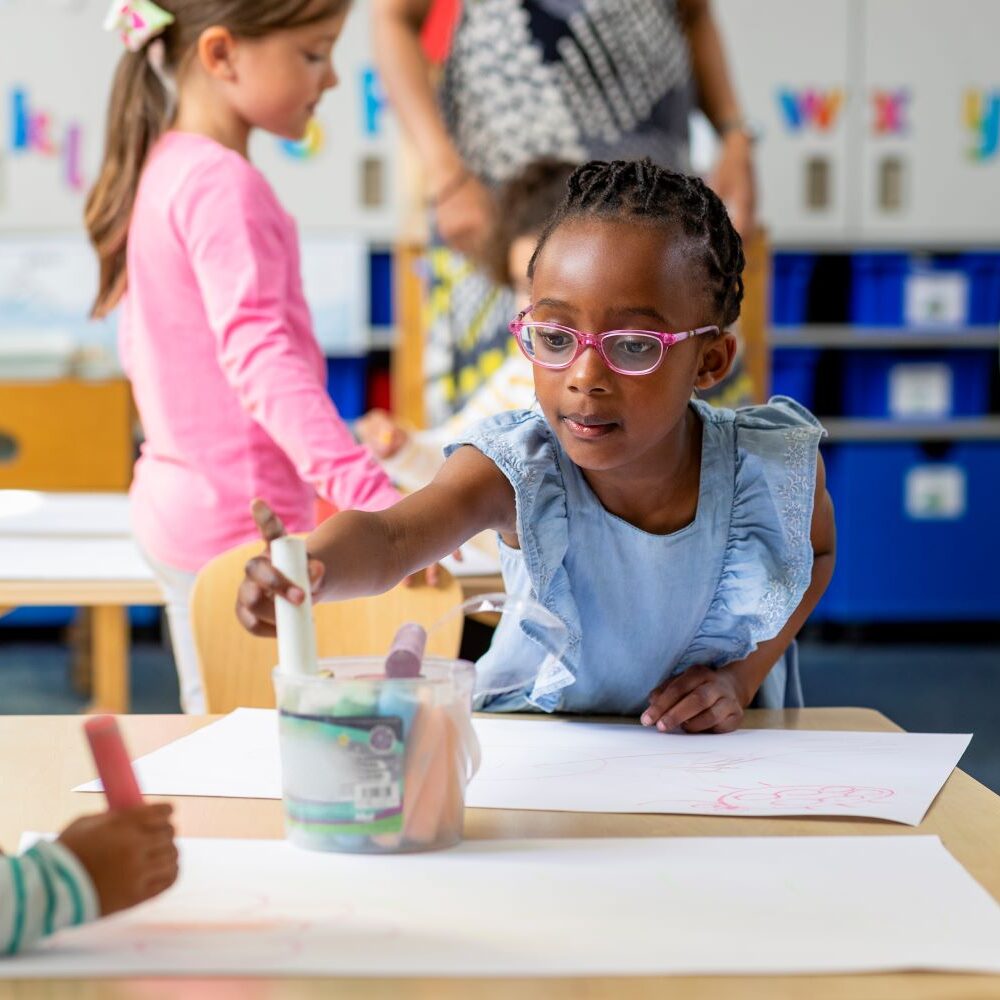
Simple, age-appropriate games are another helpful way to prepare your child for nursery or pre-school.
Playing games where you need to take turns, listen to others and follow rules introduces important early skills, especially as these may be new concepts for pre-schoolers. Simple activities like listening to commands to “walk”, “stop”, “run”, “jump” etc help your child to practice listening to an adult, as does helping to tidy away toys together.
Learning to play independently
When your child is at their early years setting, they won’t always have the undivided attention of an adult. If they’re already able to play independently with their toys for short periods of time, they will settle much more easily.
It can also help to set up activities that children can do independently, such as:
- puzzles
- playsets or figures
- art projects
- construction
- exploring storybooks
This builds confidence and supports success during independent play at nursery or pre-school.
You might also try turning everyday tasks into a game. Encouraging your child to practise getting dressed, hanging up their coat or bag, and putting toys away helps them develop independence. Of course, you can help them when needed, but it’s important they have opportunities to try.
What children should know before their first day at nursery or pre-school
Talking about what to expect
Starting nursery or pre-school for the first time can bring up a lot of emotions for young children. Talking to your child about what they can expect – what they might do during the day and who will be there – can help them feel more prepared.
Most settings will invite you and your child to visit before their first day. This will help the environment and staff feel more familiar to your child.
Helping children feel secure
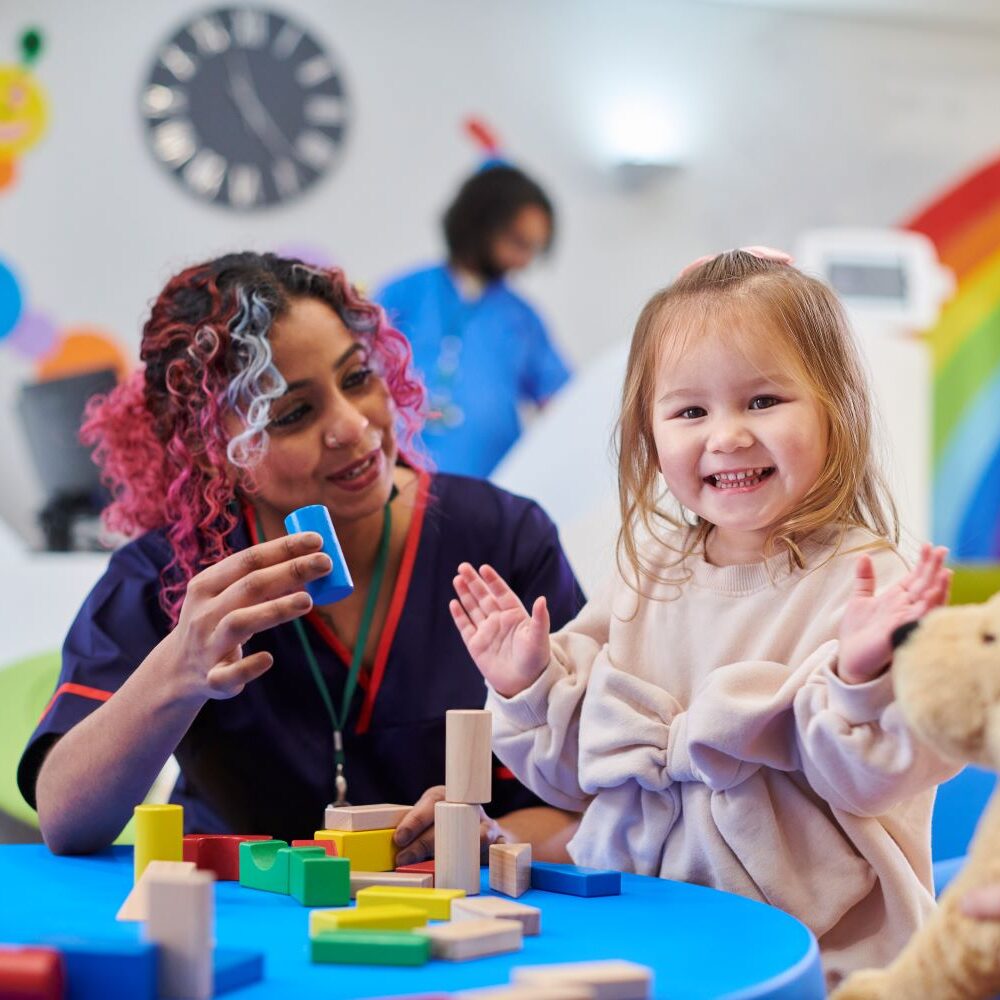
It’s important to reassure your child that you’ll always pick them up when their nursery or pre-school day is done. This sense of security can be very comforting.
Make space to acknowledge your child’s feelings, whether they are excited, nervous, anxious, scared or a mix of all of these. Let them know these feelings are okay to have.
Supporting independence and confidence
Depending on your child’s age, it can also be helpful to make sure they know where the toilet or potty is and feel confident using it. When they start nursery or pre-school, it helps if they can do some or all of this independently, so practising at home is useful.
Finally, remind your child that they can always ask for help, just like they do at home. Teachers are there to help them learn and grow in many different ways.
Establishing routines before starting nursery or pre-school
Nurseries and pre-schools generally follow a structured day, so it can help for children to get used to routines and doing things somewhat independently before they start. If you don’t already have established night-time and morning routines, this can be a good time to introduce them.
- Example night-time routine: bath time, brush teeth, put on pyjamas and read before bed.
- Example morning routine: brushing teeth, getting dressed and having a healthy breakfast.
Consistent routines help children feel more secure and prepared for what’s to come.
Supporting a child who feels unsure about starting nursery or pre-school
Using play and stories to explore nursery or pre-school
If your child is worried or reluctant about starting nursery or pre-school, it can help to introduce the idea in a playful way. Using figures or dolls to act out a story about going to nursery or pre-school can make the experience feel more familiar.
Reading storybooks on this topic can also be another useful approach, especially for children who are slightly older. Visiting your local library to find these stories allows your child to connect with characters going through similar experiences, while giving you a natural way to talk about it together.
Focusing on positive experiences
Focusing on the positive aspects can also help. Talk about how much fun it can be, visit the nursery or pre-school if possible, and find out if any friends will be attending. Arranging playdates can help children feel more familiar with others in advance.
Keeping your tone positive and excited when talking about starting nursery or pre-school can also make a difference.
Giving children a sense of control
You can also involve your child in preparations, allowing them to choose and pack their backpack, prepare their lunchbox and pick their first-day outfit. This helps them feel a sense of ownership over starting nursery or pre-school.
Creating a home play environment that supports early learning
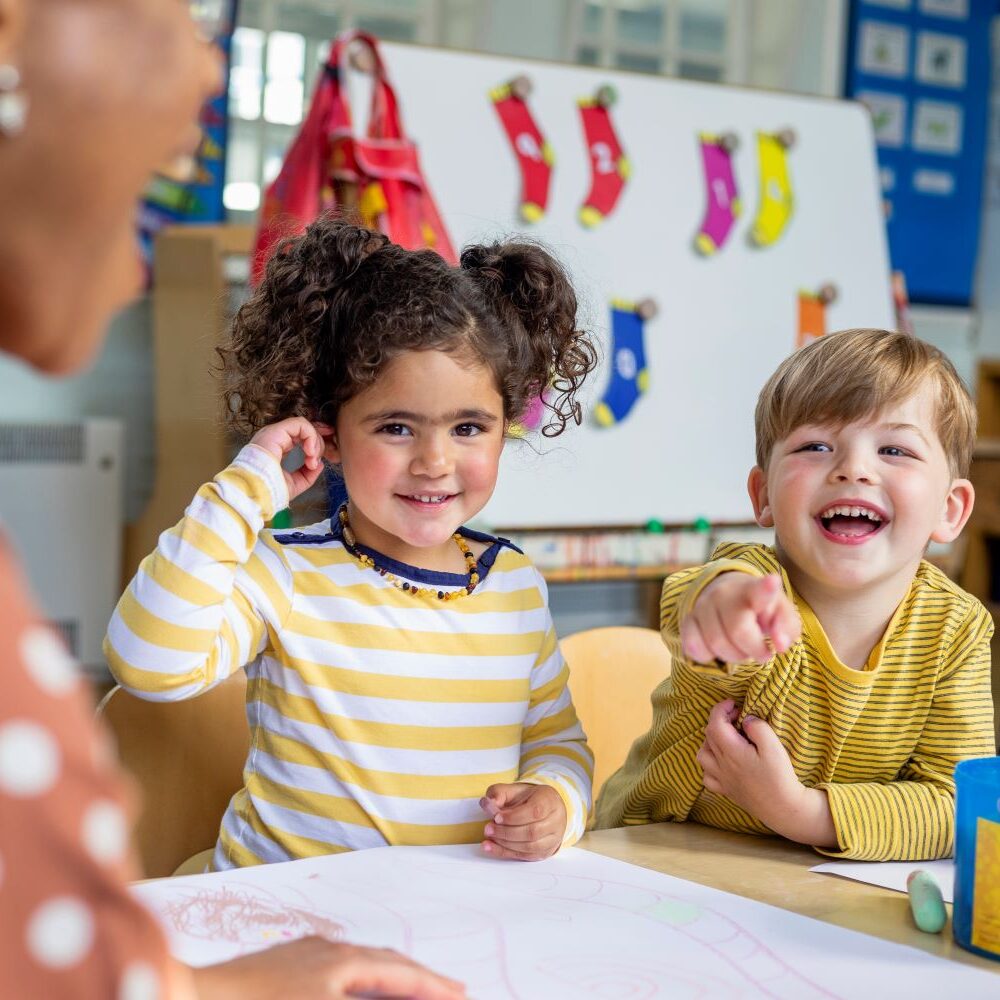
It may be helpful to create a play environment at home that reflects aspects of a nursery or pre-school classroom. This could include offering a variety of activities and areas, such as a book nook, a block or construction area, a creative arts space, and opportunities for pretend play like a kitchen or shop. Including activities that encourage movement is also beneficial for gross motor skills.
It’s also useful to get into the habit of tidying up together after each activity. This is something children will be expected to do at nursery or pre-school, and it helps them learn to take care of shared toys and materials.
Supporting parents and carers through the transition to nursery or pre-school
It’s completely natural for parents and carers to feel nervous about your child starting nursery or pre-school. Starting routines a few weeks before term begins can help the whole family adjust more gradually. Keeping to these routines is important, as predictability helps children feel secure and confident.
Building a relationship with your child’s teacher can also provide reassurance. Introducing yourself ahead of time and keeping an open dialogue about your child and how they are settling into nursery or pre-school can be helpful.
It’s important to celebrate this milestone. You might mark the start of nursery or pre-school and celebrate the completion of the first day, even if it feels challenging.
Managing separation anxiety when starting nursery or pre-school
Creating a consistent goodbye routine
The routines and approaches mentioned above can really help with separation anxiety when starting nursery or pre-school. In addition, creating a consistent goodbye routine that is special to you and your child can be reassuring. Practise this together and explain that saying goodbye means you will be apart for a short time, but you will always come back.
Helping children feel familiar with their nursery or pre-school setting
Many nurseries and pre-schools also offer visits or introduction days before term begins. These can help your child become more familiar with the environment and give you both a chance to meet the teachers before they start.
While this article focuses on preparing for nursery and pre-school, play is great for learning and development in general. For more ideas on supporting your child through play, you might find these articles helpful:
- How playing with your child brings your family closer
- The role of play in child development and how you can play more with your child
Article last reviewed on 7 July 2026.
Call, text, email or web chat FamilyLine
If you’re feeling overwhelmed, worried or upset about any aspect of your family life, FamilyLine is here for you. We offer free emotional support and guidance on family relationships, conflict, parenting, caring, financial worries and more.
Contact FamilyLine