

Exam results day can bring a mixture of emotions. While some young people are celebrating, others may feel disappointed, frustrated or uncertain about what comes next.
As a parent or carer, it can be difficult to see your child upset, especially if they worked hard and were hoping for different results. It’s natural to want to make things better immediately, but often the most helpful thing you can do is provide calm, steady support while they come to terms with what has happened and consider what they want to do next.
Try to keep your own emotions in check
If you’re feeling worried, disappointed or even frustrated, try to manage those feelings before discussing the exam results with your young person.
Young people often take emotional cues from the adults around them. If they sense worry, anger or blame, it can add to the pressure they’re already feeling.
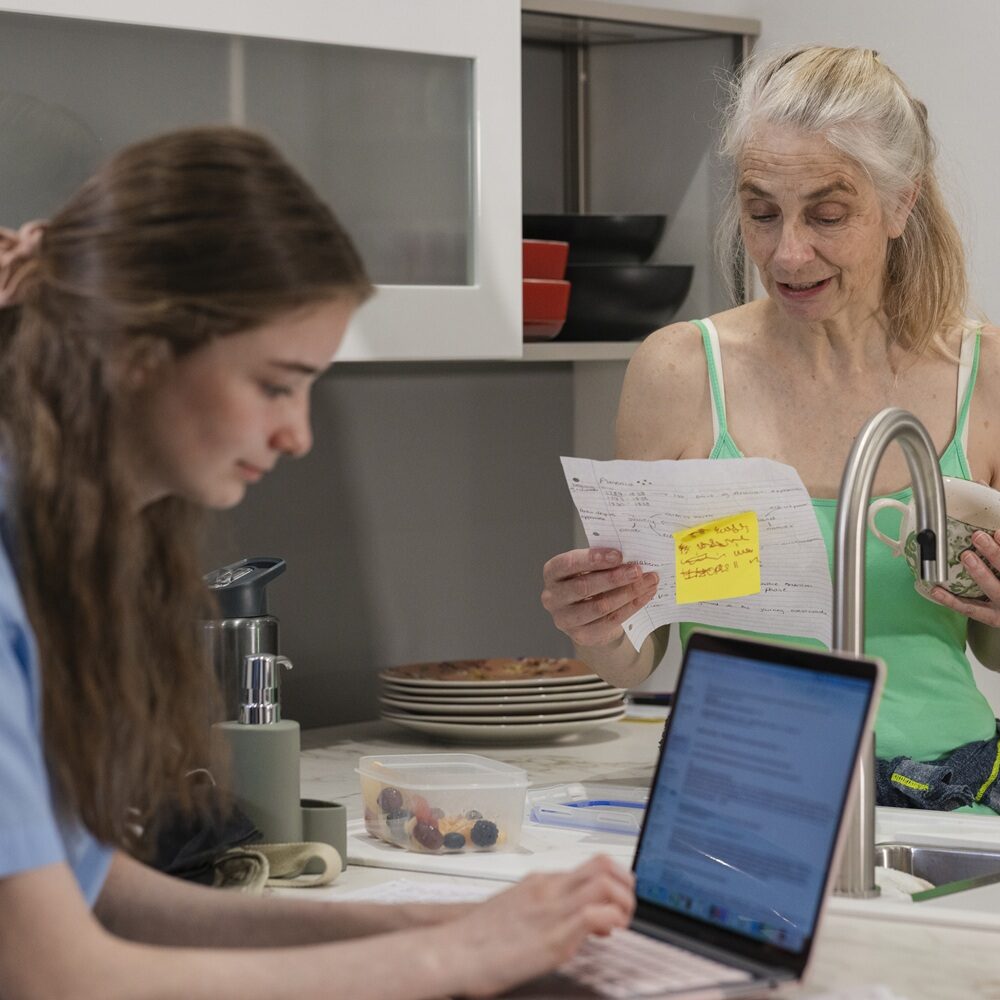
Even if you’re thinking things like, “I said you should have revised more,” saying it out loud won’t help in the moment. Instead, it’s more likely to create tension and make it harder for your young person to talk openly with you.
There may be opportunities later to think about what could be done differently in the future. For example, if they decide to resit an exam, you can work together on a realistic revision plan. On results day itself, focus on support rather than solutions.
It’s still worth recognising that you may be feeling disappointed too, particularly if your young person’s results affect plans you’d both been looking forward to. But if you need to talk through your own feelings, try to lean on other trusted adults that you’re close to, rather than relying on your young person while they are processing their own emotions.
Listen and acknowledge how they feel
When someone we care about is upset, it’s natural to want to try to solve their problem straight away. However, many young people need time to talk through how they’re feeling before they’re ready to think about next steps.
Instead of problem-solving, let them know you're available to listen, and that they don't have to face things alone.
You might say things like:
- “I’m here if you want to talk.”
- “That sounds really difficult.”
- “We don’t need to work everything out today.”
Try to accept whatever feelings they have, even if their reaction isn’t what you expected. They may be devastated, angry, embarrassed or worried. Equally, they may appear calm, withdrawn or even indifferent. Sometimes people hide difficult feelings while they try to process them.
If they felt they worked as hard as they could and were expecting better results, they may be struggling with thoughts such as:
- “What more can I do?”
- “Why should I bother trying again?”
- “How can I do better next time?”
Rather than immediately trying to respond to any worries or question like this, reflect back what you’re hearing. For example:
- “I can see how disappointed you are.”
- “It sounds like you’re really frustrated.”
- “You seem angry about how things turned out.”
This helps your young person feel heard and understood, which is often more helpful than trying to fix the situation straight away.

Give them space and follow their lead
You know your child better than anyone else. Some young people benefit from a distraction, such as spending time with family, going for a walk or watching a film. Others may need quiet time alone to think.
Some are naturally proactive and may already be researching their options. Others may feel overwhelmed and need support to break things down into manageable steps.
There is no right or wrong way to respond. What’s important is recognising your young person’s individual needs and adjusting your approach accordingly.
When exam results aren’t what was expected, it can feel as though every decision needs to be made immediately. While there may be deadlines for some options, most young people don’t need to have their entire future mapped out on results day.
Allowing some time for emotions to settle can help them think more clearly about the choices available to them. Remind your young person that they do not need to work everything out in a single day. Give them some time and space to process what’s happened, then ask what you can do to be most helpful.
Help them manage outside pressures
It can be tempting to compare your child’s results with those of siblings, friends or classmates, even if just in your head. However, these comparisons rarely help, particularly if other young people achieved the grades they were hoping for.
Every young person has different strengths, challenges and circumstances. What someone else achieved has no bearing on your child’s achievements or future opportunities. If your teenager is disappointed with their exam results, keeping the focus on their individual situation is likely to be much more constructive.
Results day can be particularly challenging because news spreads so quickly online.
Your young person may see posts from other students celebrating their achievements, discussing university places or comparing grades. Even negative posts, from students who didn’t do so well, can add to feelings of overwhelm.
Encourage your young person to think about whether a short break from social media might help while they process their emotions and consider their next steps. Stepping back from the constant noise of updates and opinions can sometimes make it easier to focus on what is right for them.
Additionally, friends and family will often ask about exam results with the best of intentions, but these conversations can feel difficult when results weren’t what your young person hoped for.
Check with them what they would like to say when people ask. Some young people may want to talk openly about their results. Others may prefer a simple response, or may not want to discuss them at all.
Having a plan can help them feel more in control and avoid being caught off guard by well-meaning questions.

Explore the options together
It can be helpful to remember that there’s rarely only one path forward. It may still be possible for your young people to go on to achieve their goals through routes they’d not previously considered.
Once your young person feels ready, you can explore possible next steps together. Depending on their circumstances, they could:
- speak to their school or college about possible options
- ask whether a review of marking or re-mark would be appropriate
- explore opportunities to resit exams
- consider alternative courses that could still lead to their chosen career
- look into vocational qualifications or apprenticeships
- take a year out to get some work experience before deciding on their next steps.
If their grades didn’t meet university or college entry requirements, there may still be options available through clearing, alternative courses or future applications.
If you would both benefit from additional guidance, the National Careers Service offers free and impartial careers advice on 0800 100 900.
Remind your young person that grades don’t define them
Exam results can feel hugely important, particularly when future plans are involved. However, they’re only one measure of achievement.
Remind your young person that you love them, value them and are proud of them for who they are, and that their grades don’t affect this. Instead, remind them of their strengths, talents and character, all of which aren’t measured by their exam results.
When might your young person need extra support?
It’s completely normal for young people to feel upset, disappointed or worried after receiving results they weren’t hoping for. Some may need a few days to process what has happened and adjust to any changes in their plans.
It may be helpful to seek additional support if changes in their mood, behaviour or wellbeing are severe, persist over time, or begin to affect their everyday life.
Signs to look out for include:
- sleeping much more or less than usual
- eating significantly more or less than normal
- withdrawing from friends, family or activities they usually enjoy
- having frequent outbursts of anger or becoming unusually irritable
- appearing persistently low, anxious or hopeless
- struggling to cope with day-to-day tasks over a prolonged period.
If you’re concerned about your young person’s mental health, speak to your GP or Child and Adolescent Mental Health Services (CAMHS). The CAMHS website for your area will also contain self-help resources. Other useful organisations include:
- Young Minds: A mental health charity.
- Place2Be: A children’s mental health charity with resources for both parents and young people.
For more on this, see our article: Supporting your teenager’s mental health.
Supporting your young person if they’re disappointed with their exam results
Disappointing results can feel overwhelming in the moment, but they don’t determine your young person’s worth or define their future.
The support, understanding and reassurance you provide now can make a real difference. Knowing that they’re loved, valued and not facing changing future plans alone can help your young person recover from this setback and feel more confident about whatever comes next.

Call, text, email or web chat FamilyLine
If you’re feeling overwhelmed, worried or upset about any aspect of your family life, FamilyLine is here for you. We offer free emotional support and guidance on family relationships, conflict, parenting, caring, financial worries and more.
Contact FamilyLine