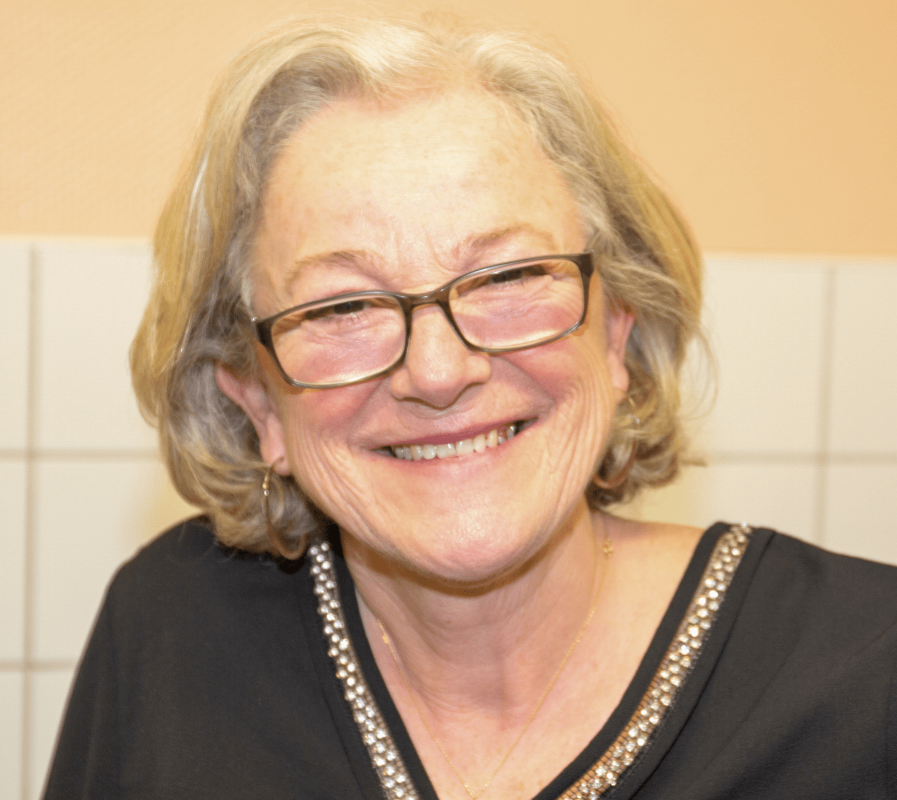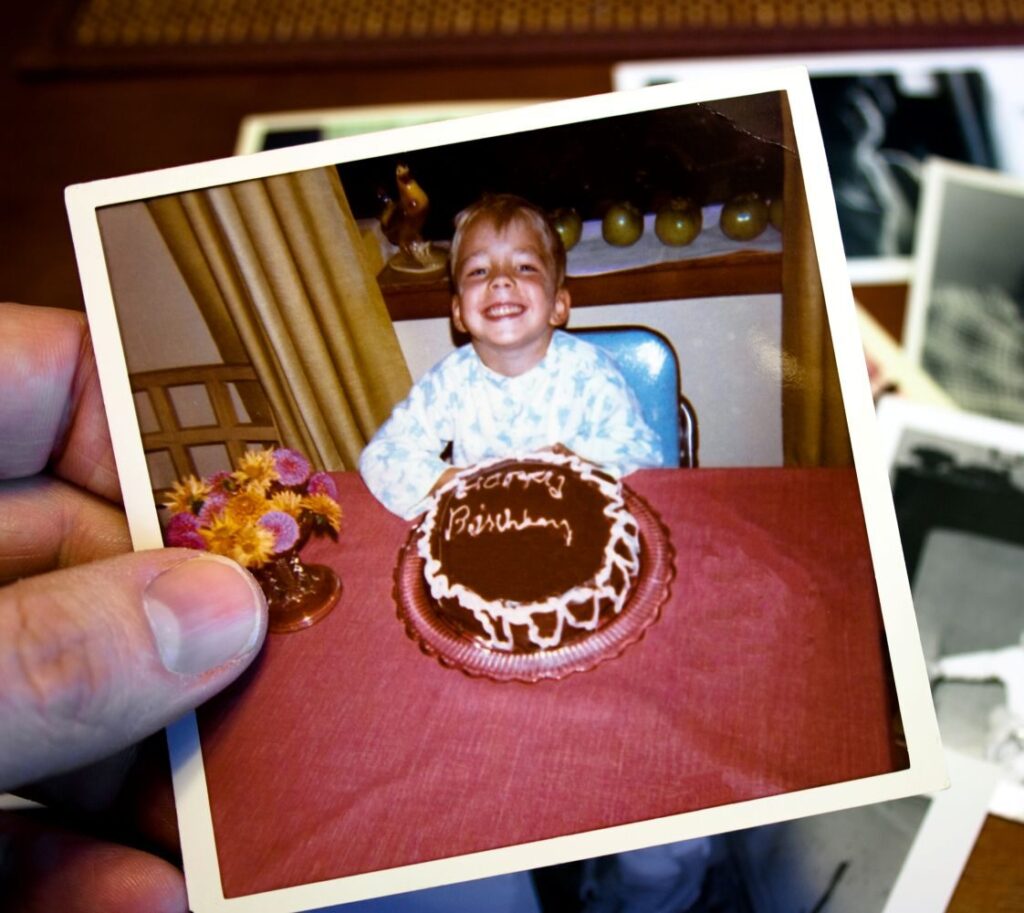
Jill is one of the hundreds of thousands of women who were forced to give up their babies for adoption in the 1950s, 1960s and 1970s. Many never even got the chance to say goodbye to their baby. Jill had never spoken about the effects of her son’s adoption in any depth with anyone until she found Family Action’s adoption support agency, PAC-UK.
She has very kindly chosen to share her story with us. To give it the space it deserves, we are publishing it in two parts. This is part one.
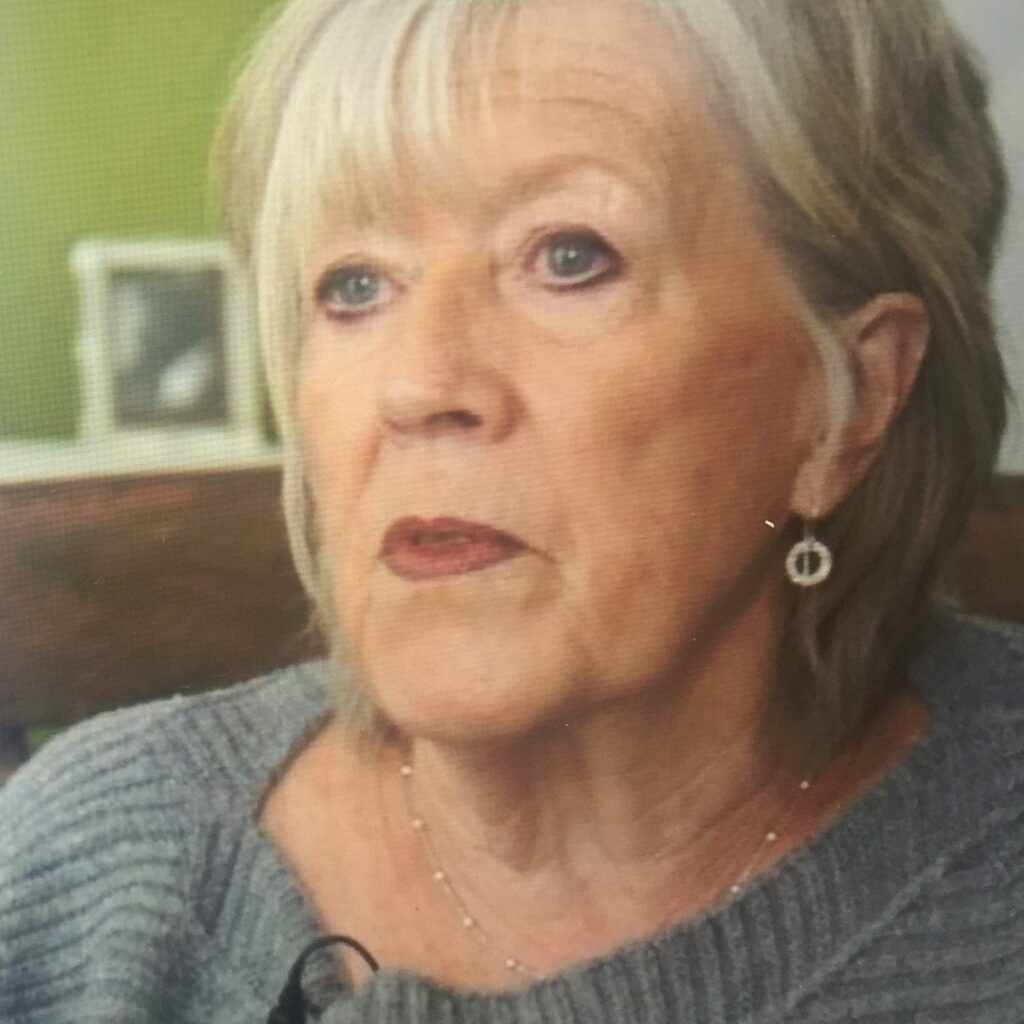
It's the cruellest thing that can ever happen, and it’s something that affects you for the rest of your life.
I was 16 when I became pregnant, and I was 17 when I had my son. It was the 60’s and I’d been in a steady relationship with my boyfriend. We had planned to get married, but at the end of the day his parents objected and he just went off. It was devastating. I was very let down, obviously, and I was in an absolute panic – being single and pregnant and not knowing what to do.
My parents were devastated for what they perceived as the terrible shame I’d brought upon myself and my family. Although I could never hold my parents in any way responsible for my son’s adoption: they were coerced, as was I.
I knew the adoption was inevitable, but I was quite lucky after I had given birth as I had my son with me for ten days in hospital.
I told myself I would lavish as much love as I could on my baby in that time, because these were the only days I would have with him for the rest of my life and his life.
No contact
Back in those days it was understood you’d never have any contact with your child again. I know the bond between a mother and child begins during pregnancy and I just thought those ten days created a stronger bond between my son and myself and were very precious for me when I had lost him.
During my son’s birth and my stay in hospital, I wasn’t treated very well and there was definitely a taboo among the nursing staff. That was the attitude back then. Some young women didn’t get any pain relief and many of the nursing staff had a “you got yourself in this state” attitude.
One of my most vivid memories was sitting in my bed cradling my son whilst all the other mothers had their partners with them, and they were cooing over their children. That gave me a defiant, and possibly a rebellious streak to my nature. I think it might also have given me resilience. I remember thinking “I’m just the same as these mothers. I love my baby and I’m going to sit with him and pay attention to him”. That was my defiance – I felt determined not to let the shame overwhelm me.
My 10 days in hospital came to an end on Christmas Eve 1967, and the night before a group of carol singers came into the hospital ward singing Silent Night. That carol can still affect me. I thought “Everybody’s celebrating Mary having Jesus” and it was sickening to be honest.
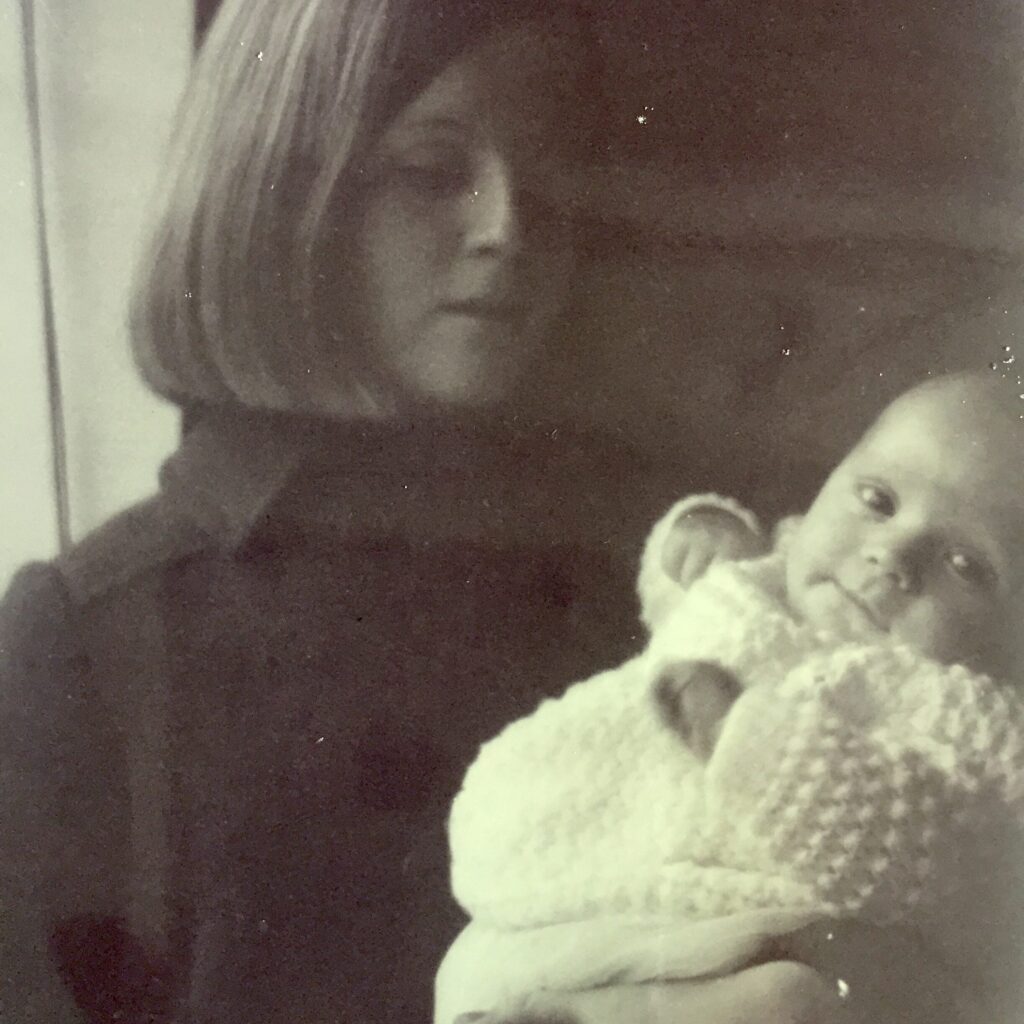
I sobbed my heart out for days over Christmas. I was inconsolable and my mother was so worried that they asked the foster carer if I could visit, which I was very grateful for. I’ve got a picture of me and my son just before he was adopted.
“Kiss him goodbye”
After a couple of months, they found an adoptive family, and I knew that was it. My mum and dad came with me on the train to the National Adoption Society headquarters in London. We were shown to an office and told to wait.
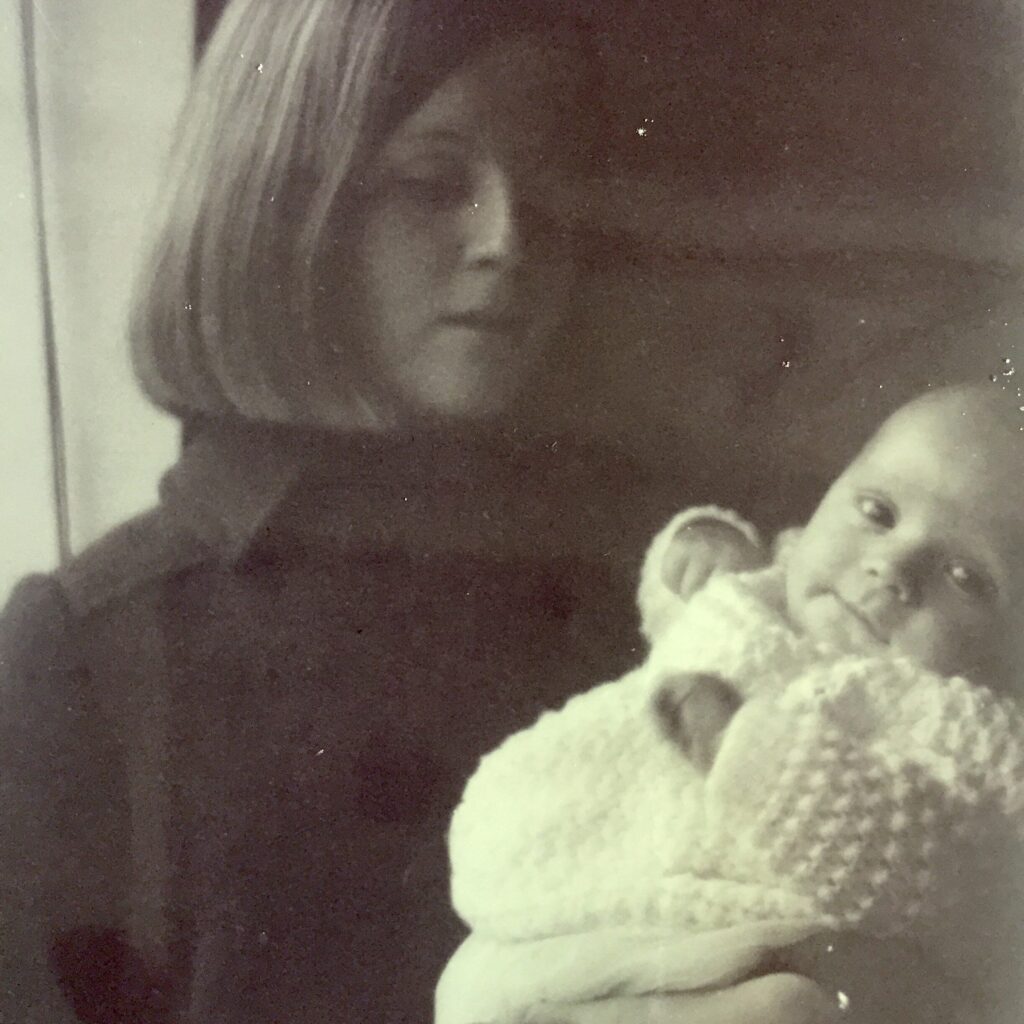
I was holding my son and a lady worker came in and said, “What a lovely baby, can I hold him?”, so I handed him over and as soon as she had him in her arms, she said “Kiss him goodbye” and walked out of the room with him.
I knew why I had gone there but there was no compassion shown – no sympathy or comfort. I was standing there with empty arms. We were told to wait for 20 or so minutes until the adoptive parents had left the building with my son. I must have gone into shock. I can only describe it as a numbness caused by the trauma.
There was the idea, you see, that it was selfish to deny your baby a normal family life – the stigma of illegitimacy was very real. Everybody was telling me “You’re young. You’ll get over it and you’ll get on with your life”. The stock phrase that was used to me was “If you really love your baby you’ll give him up”. I know now this was said over and over again to thousands of women.
It was horrendous. Obviously, I’d get through it, but looking back I can’t imagine how I did. You were just completely on your own from that day onwards with no support.
Reaching out to find my son
One day, years later, I read that there was a national adoption contact register you could put your name on to indicate you were happy to be contacted, so I put my name down as soon as I legally could - as soon as my adopted son was 18 in 1985.
My parents never spoke about the adoption until the day they died. Possibly they felt guilty and they didn’t want to upset me. I don’t know, but on the other side of the coin I never mentioned it to them either. They missed out on their first grandchild and sadly they both died before our reunion.
When my son first found me, he said he’d always felt a bond with me even though we’d never met and 27 years had elapsed.
I’d never spoken about the effects of my son’s adoption in any depth with anyone until I found PAC. It was the first time that I felt anywhere near normal after meeting people from my generation who’d been through the same trauma. Because of that bond, I’ve built these phenomenal relationships and close friendships.
I didn’t have a voice for so long and now that I have, I feel compelled to use it.
PAC-UK Advice Line
Staffed by qualified and experienced PAC-UK counsellors/social workers who can provide advice and information on all aspects of adoption and other forms of permanent care.
Telephone: 0300 1800 090
Email: [email protected]
Open: Monday, Tuesday, Wednesday & Friday: 10.00am-4.00pm; Thursday: 10.00am-7.30pm