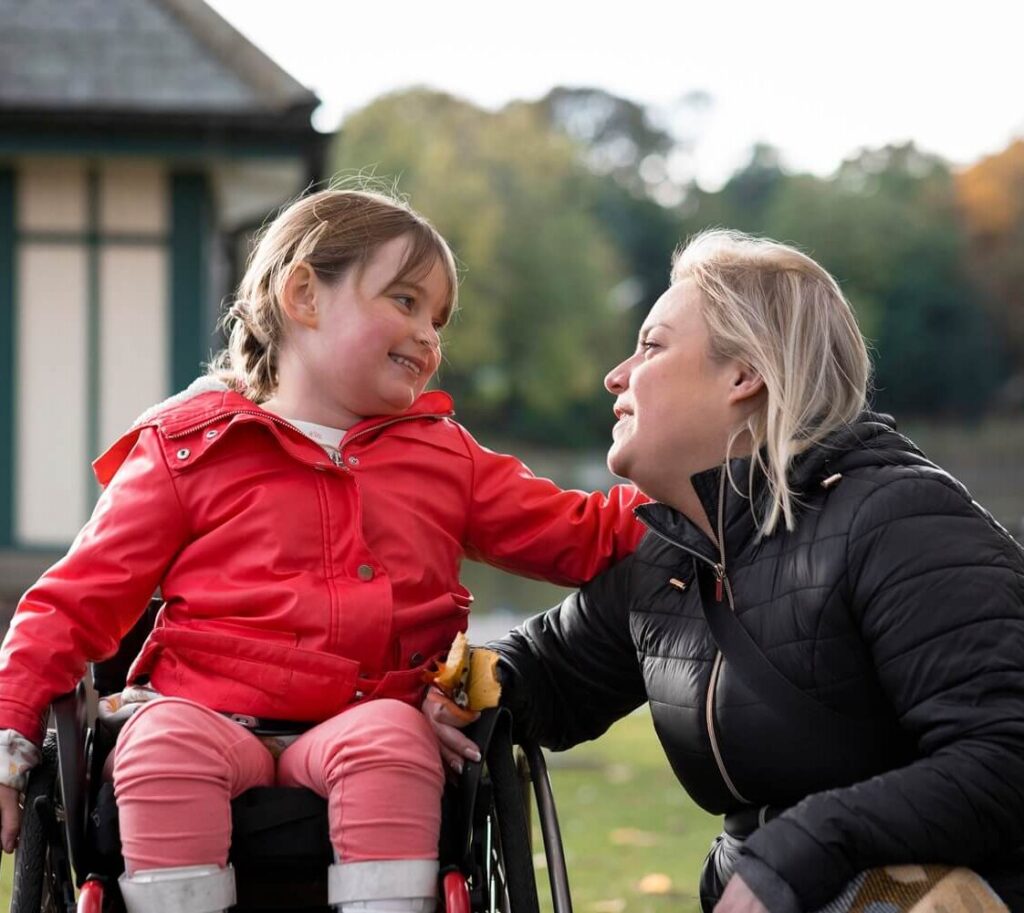

The summer holidays often mean relaxed routines, more free time for children and young people, and a shift in family life. For many parents and carers, it might also be the time when children want to be more independent and go out with their friends without you.
Supporting that independence can feel like both a positive and nerve-wracking step. It can help children build confidence, stay active and make the most of their time away from school, particularly if you’re trying to strike a balance with screen use. But knowing when to say yes, and how to make sure they’re safe while they’re out, isn’t always straightforward.
For many parents, it’s a decision that comes with mixed feelings. You might feel torn between wanting to protect your child and recognising that they’re ready to grow.
I think it is balancing the space for them to grow, form friendships (and not just be on a screen at home) and start to learn a bit of independence, with being absolutely clear about them being open and transparent and not lying [about] where they are going and who with.
This guide draws on the experiences of 17 parents who’ve been through or are preparing for that transition. They’ve shared what they looked out for, what conversations they had with their child, and how they approached those first steps towards their child’s independence, so you can consider what might work for you and your family.
There’s no ‘right age’ – it’s about readiness
One thing parents consistently agree on is that independence doesn’t happen overnight. It tends to grow gradually, often in small, manageable steps.
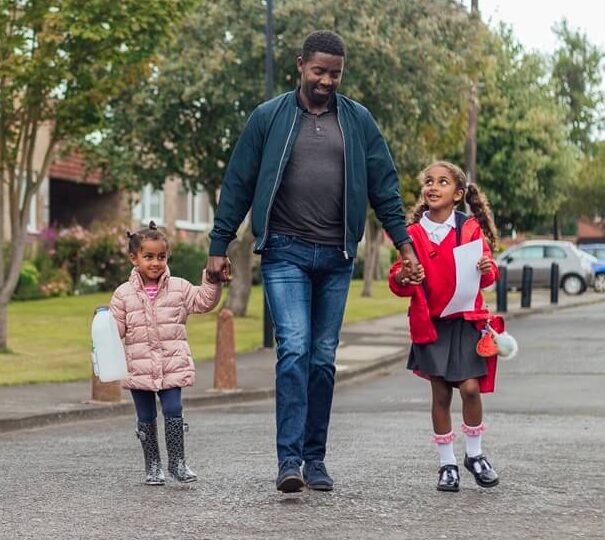
A short walk home from school might come first. Then playing nearby without direct supervision. Later, trips to the park or local shops with friends. Over time, these experiences build confidence for both children and parents.

For several of the parents we spoke to, one key factor in this was where they live: “Luckily we live on a cul-de-sac so don’t have high traffic and there is a field and park on the next street from us which doesn’t get too busy.”
For another parent, the location put them off letting their child out alone until they were a bit older: “His friends went out on their own much younger. We are in a city so I wasn’t very enthusiastic and waited until secondary school.”
Another factor is how close their child’s friends live. Charis, who has a 12-year-old daughter, explained: “My daughter was playing out with her friends (with adult supervision) from a reasonably early age (4-5ish). A lot of her friends from school lived very nearby so they all used to play together in the vicinity of our houses.”
For some families, the path to independence follows a clear progression. Sarah explained how she and her husband allowed their three children to take steps that prepared them for future independent journeys to secondary school: “We have felt around spring term of Year 5 is a good time to give our children independence. First walking home from school, and then going to the park from school with friends, as the days are lighter and more people are around.” Then by the end of Year 6, the children were taking the bus with friends.
Something else to be aware of is the differences you may see between children if you have more than one. One parent explained: “My youngest has just started to go out independently and is a very different person to my eldest! It’s like starting again from scratch in some ways.”
You may also find that younger children are more confident, having older siblings to look up to as role models. And you yourself may feel more confident, having gone through this with an older child already.
If your child isn’t quite ready
One of the most important things is how each individual child handles increasing responsibility over time. On the other side of this is the possibility that your child may need to start going out by themselves – for example, to get to school – and may not feel ready for it.
In this kind of situation, try to do what you can to ease their worries. This will look different for each child depending on the situation and their worries, but might include things like running through travel plans or doing practice runs of journeys together so they feel confident.

What readiness can look like
Rather than focusing on age, many parents look for signs that their child can manage themselves safely and confidently.
That often includes things like:
- noticing what’s going on around them
- sticking to agreed plans
- making sensible decisions
- feeling comfortable checking in if needed.
Children who show awareness and judgement tend to make their parents feel more confident. Mum of one, Mandy, described this as being “aware of dangers in the outside world” and able to show maturity appropriate to their development. Shelley, mum of one 11-year-old boy, explained: “My child was level headed and knew his own mind, [and he was] not easily swayed.”
One parent of a child who is not yet ready to go out alone explained what they are looking for: “My son is 7 and has always been mature for his age. He can be relied upon, but can be swayed when his friends do (minor) silly things. I think at this age, it is more to fit in but I hope as he gets older he realises that his friends will still be his friends even if he doesn’t join in. And I think when he gets there, that is when I will know.”
Another parent emphasised everyday awareness – having a sense of their surroundings and how to navigate them safely. “When they are aware of what is going on around them, they see which bus you are using and know the journey when you take them out. I will be more confident because they know.”
Every child is different. Some may be ready earlier, while others may need more time and support.
Conversations that help prepare your child
Helping a child prepare for independence is rarely about a single conversation. Instead, it’s often ongoing and part of everyday life.
Parents commonly talk through situations their child might face, from crossing roads safely to handling peer pressure or unexpected interactions. The aim is to help children think for themselves, not just follow instructions.
There’s often a careful balance to strike: explaining risks without overwhelming them.
You want to warn your child of possible dangers without scaring them completely.
Some find it helpful to explore “what if” scenarios, like what if a friend suggests staying out longer than agreed, or what if someone you don’t know asks you to go with them. Others focus on values, encouraging children to recognise what feels right or wrong for them and stick to it, even when it’s difficult.
One parent explained that there are additional challenges for children with ADHD and autism. “My son is in Year 5 and when he is in Year 6, school will allow him to arrive and leave on his own, as long as they have our permission. He is not reckless or impulsive, he is relatively risk averse, but he has ADHD and the inattention means that he will stroll across a road without realising that he is crossing a road. We are currently letting him take the lead on walks so that he can notice roads and judge independently when it is safe to cross, but we are there as a safety net.”
These conversations and exercises help children build judgement as well as knowledge, which are important parts of staying safe.
Setting boundaries that feel fair
Clear boundaries can make independence feel more manageable for everyone involved.
Most families set expectations around:
- where children can go
- who they are with
- how long they’ll be out
- when and how to check in.
These rules may evolve over time, or become more flexible as trust grows.
For most parents, honesty is central. One described a simple but firm approach:
No lying is the principle rule – they need to tell us where they are going and who with.
Time limits also offer reassurance and knowing when to expect your child home can make a big difference. Ami explained how she asks her son to “be back by this time so that we’re not worried.” Another parent added the importance of their child keeping in touch, and if they can’t make it home on time, to let them know why not.
Many of the parents we spoke to explained that they ask their child to stay in a group with their friends, since staying with others provides an extra layer of security. One parent said they told their child “to keep in a group, be vigilant and to not act anti-socially.”
Above all, make sure your child understands why you’ve set the ground rules you have. When children understand the reasons behind these boundaries, they’re more likely to follow them and feel trusted in the process.
Staying connected
Independence doesn’t mean children are completely on their own. For the parents we spoke to, staying in touch is a key part of keeping things safe.
Multiple parents stressed the importance of this, with mum of one Wendy highlighting: “Communication is key for us” and mum of two Sasha saying: “I would like to reiterate the importance of communication.”
Children are usually expected to share their plans before they go out, check in if needed, and let parents know if anything changes. It’s a way of building responsibility alongside freedom.
That ongoing contact can also give children confidence. Knowing they can call for help – whatever the situation – can make a big difference. One parent explained that their child knows “he can call us for any reason about anything and we will help him, even (perhaps especially) if he has made a bad choice.”
Agreeing to stay in touch and always be contactable makes it easier for parents to give their child space and trust, rather than worrying about feeling potentially isolated from them when they’re out with their friends.
Technology: finding the right balance
Many families now use phones or tracking tools to help manage independence, but approaches vary.
For some, being able to check where their child is brings real peace of mind. “It’s really reassuring, as I can see where my son is,” Ellie explained.

Others make tracking a standard safety measure, especially when children first start going out. Sarah explained: “When [your] child’s phone runs out of charge and you cannot see where they are, that is scary. So always ensure they are charged, or have a backup charge bank, especially if they are out all day.”
But not everyone feels comfortable relying on it. Some parents are cautious about over-monitoring: “I don’t ‘track’ my kids via their phones when they’re out. I may look to see where they are if they are late back, but so far I haven’t needed to as they always ring or message if they’re going to be late. I think it’s important they have trust and freedom and don’t always feel like they are being watched.”
There’s no single right approach – what matters is finding a balance that works for your family.
The emotional side of your child going out alone
Even when you feel your child is ready, letting them go out alone can feel like a big step.
Parents often describe a mixture of worry and anticipation. Natalie, who has two daughters, explained how she felt the first time: “I was pacing around the house, it was really tough. They were absolutely gold though! I tried not to let them see too much of it (it’s my problem, not theirs – they were doing everything we asked them to do) but also wanted them to know that if they don’t get home when they are asked or don’t let us know if they go somewhere different […] then somebody may be worrying about them. That is part of being responsible, thinking of others as well as looking after yourself.”
Over time, these feelings can ease – but they don’t always disappear completely. As one parent shared, the nerves are always there, even if they become more manageable. “Most parents feel the same way – a bit nervous and eagerly awaiting the safe return of their child! I remember my mum saying that even at 20, if I was staying at hers, she wouldn’t fully sleep until I was home. This has really resonated with me and made me realise my feelings are normal.”
Alongside the worry, there’s often pride. Watching a child handle themselves independently can be a good reminder of how much they’ve grown. As Sarah says, that can bring a sense of “pride that they are becoming independent.”
Why independence matters
Despite the challenges, most parents agree that independence is an important part of growing up.
It gives children opportunities to:
- build confidence
- learn from experience
- develop problem-solving skills
- strengthen friendships.
Without these opportunities, it can be harder for children to develop the skills they’ll eventually need. As Sarah reflected: “No one can develop into an adult if they are not given the opportunity to become independent.”
I sometimes worry I’m holding them back, whereas my husband is a lot less confident and hesitant about them taking steps to become more independent, but together we will learn to be brave.
At the same time, there’s a recognition that protecting children entirely isn’t realistic – or helpful. As one parent put it: “There is always anxiety, but we also need to acknowledge that they are growing up, and we cannot keep them cocooned and at home forever.”
Ami, mum of a 10-year-old, explained how she feels about her son and his friends: “I can see that, as a group at least, they’re pretty responsible and really look out for each other. I trust them to keep each other safe, but have fun too.”
Finding the balance
Every family approaches independence differently, and this is influenced by their child’s readiness, their environment, and their own comfort levels.
Starting small, keeping communication open, and adjusting as you go can help you find a balance that feels right. Trust builds over time for both parent and child.
“Trust goes a long way,” a parent with daughters aged 10 and 13 explained. “As long as you know they have the skills they need to be safe and would know what to do in an emergency, trust that they will be able to do it!”
This summer, taking those first steps towards independence can help both you and your child grow in confidence. And doing it at a pace that works for you both will help to reassure you along the way.
Call, text, email or web chat FamilyLine
If you’re feeling overwhelmed, worried or upset about any aspect of your family life, FamilyLine is here for you. We offer free emotional support and guidance on family relationships, conflict, parenting, caring, financial worries and more.
Contact FamilyLine